

Alpana Restaurant · Gold Coast, Chicago
THE A-LIST
All Things Delicious
Recipes · Wine Notes · Cocktail Stories · Seasonal Obsessions
From Alpana Singh and the team at Alpana Restaurant · New issues bi-monthly
Garden Party Flight
Four wines, one mood: outside, unhurried, and completely in the moment.
Every season Lesa and I put together a wine flight that captures exactly how we want to drink right now. This spring, we didn't have to think very hard.
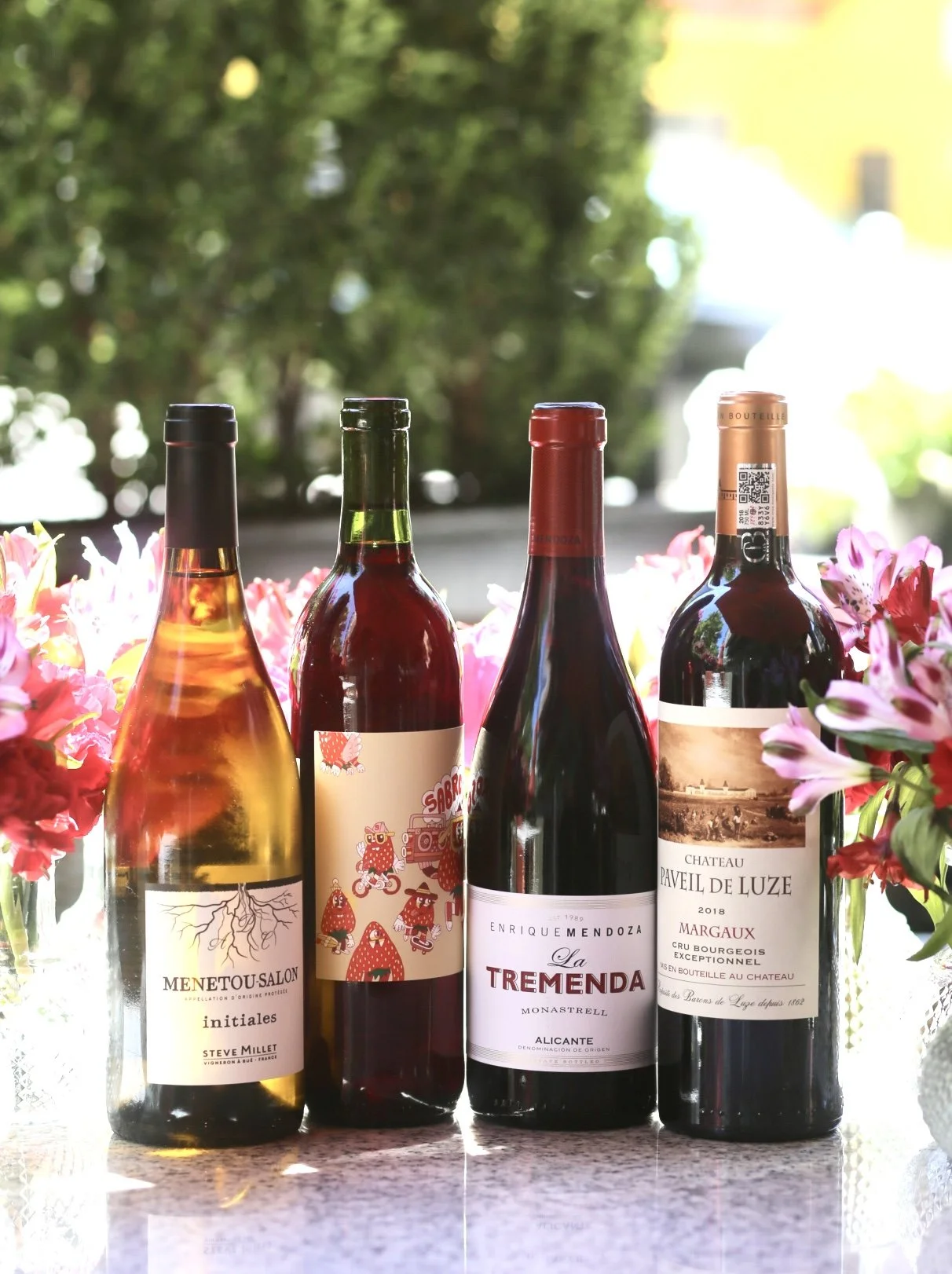
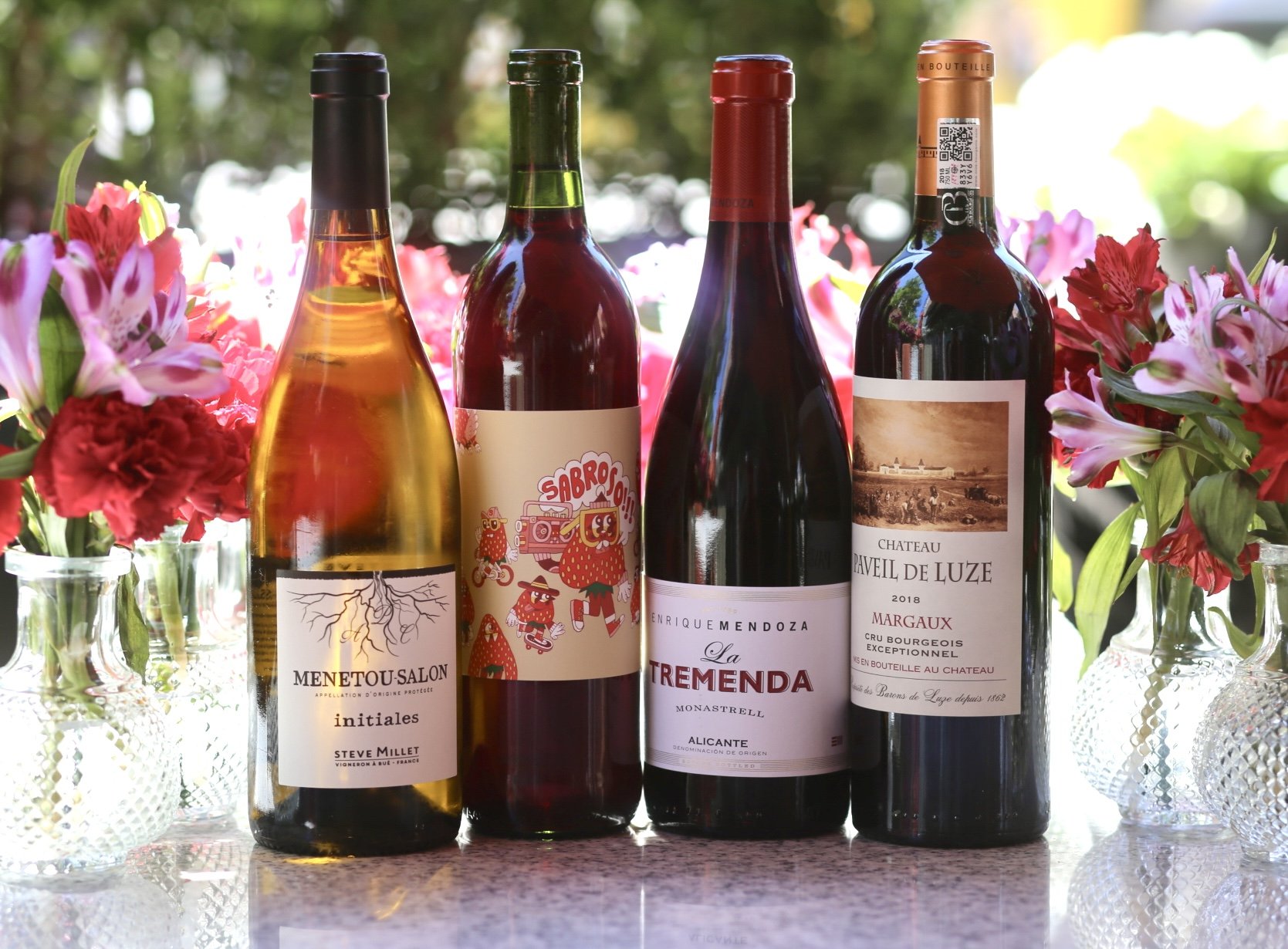
The Garden Party Flight is four wines chosen for one mood: the feeling of being outside on a warm evening with no agenda and something cold and interesting in your glass. Light, bright, and full of life — each one chosen to match the season rather than fight it. The flight is available for $38 or try each selection by the glass or bottle.
Here's what we are pouring.
Sancerre's Savvier Sister
Steve Millet Menetou-Salon — Loire Valley, France 2023
If you love Sancerre — and I do — you are going to love what Menetou-Salon does for your wallet. Same Kimmeridgian limestone soils. Same elegant Sauvignon Blanc character. But where Sancerre can feel sharp and chiseled, Menetou-Salon is softer and more generous — lemon citrus, delicate floral notes, a mineral finish that lingers just long enough to make you want another sip. This is the bottle I pour for guests who think they already know what they want and then discover something better.
Our Official Wine for Spring
Vinos Finos de California 'Sabroso' Grenache-Blend — California 2023
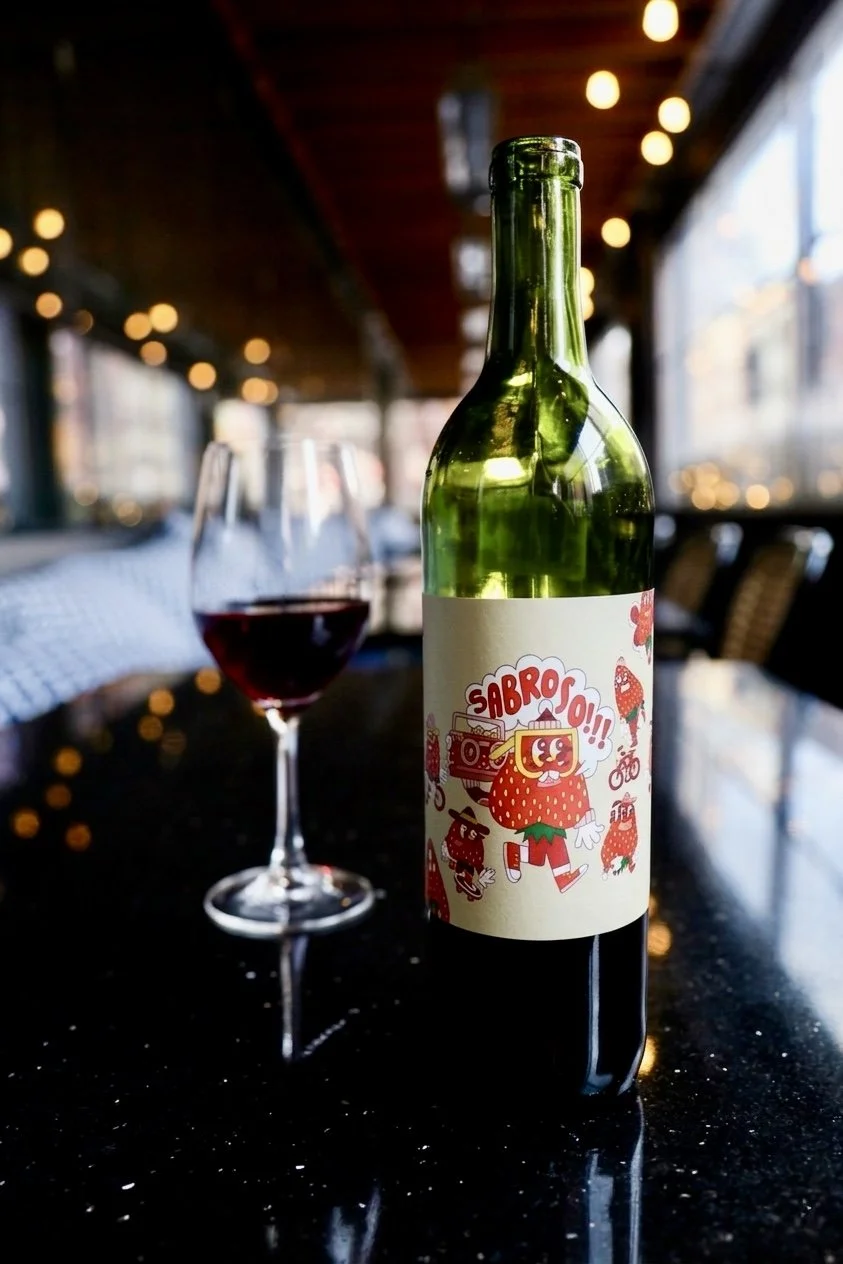
I have been talking about this wine to anyone who will listen since the moment I tasted it. Ted Glennon — the winemaker behind Vinos Finos de California — has a rare gift for making wines that feel effortless without being simple. The Sabroso is a Grenache-based blend from the cool coastal mountains of Monterey, and it drinks like spring should feel: fresh, a little wild, impossible to put down. Bright red cherries, wild strawberries, a burst of acidity on the finish that brings you right back to the glass. It is our official wine of the season and it pairs beautifully with our Strawberry Crunch Salad. The label features a strawberry wearing sunglasses and holding a boom box. Honestly, same.
The Roots of the Rhône
Enrique Mendoza 'La Tremenda' Monastrell — Alicante, Spain 2023
This is the wine that surprises everyone. Monastrell is the Spanish name for Mourvèdre — the grape that gives the Southern Rhône its backbone — but Enrique Mendoza's version from high-altitude Alicante tastes like nothing you would expect. No rustic weight, no heaviness. Just precision and freshness and something that keeps you genuinely curious from the first sip to the last. I love putting this on a flight because it changes people's minds. That is the best thing a wine can do.
The Velvet Hammer
Chateau Paveil de Luze Margaux — Bordeaux, France 2018
Margaux has the silkiest tannins in Bordeaux — it is just a fact. The gravel-rich soils produce wines that are more supple and ethereal than anywhere else in the region, and Château Paveil de Luze captures that elegance without the eye-watering price tag of its classified neighbors. Violets and rose petals on the nose, a finish that goes on and on. We call it the Velvet Hammer because it is gentle right up until it isn't. This is the bottle that turns a Tuesday into an occasion.
Spring is in Session
We are in the final, glorious stretch of spring — and summer is already knocking at the kitchen door.
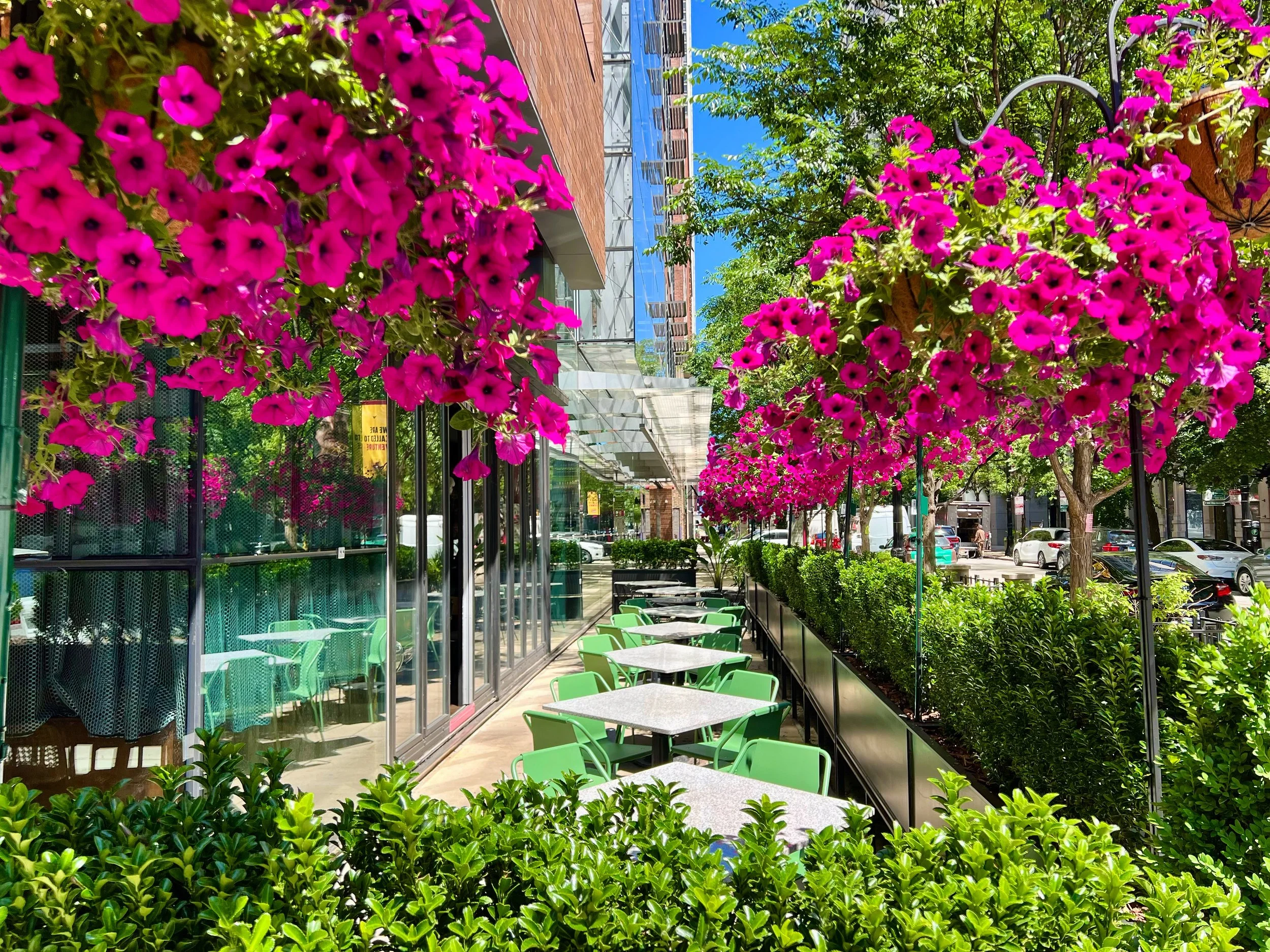
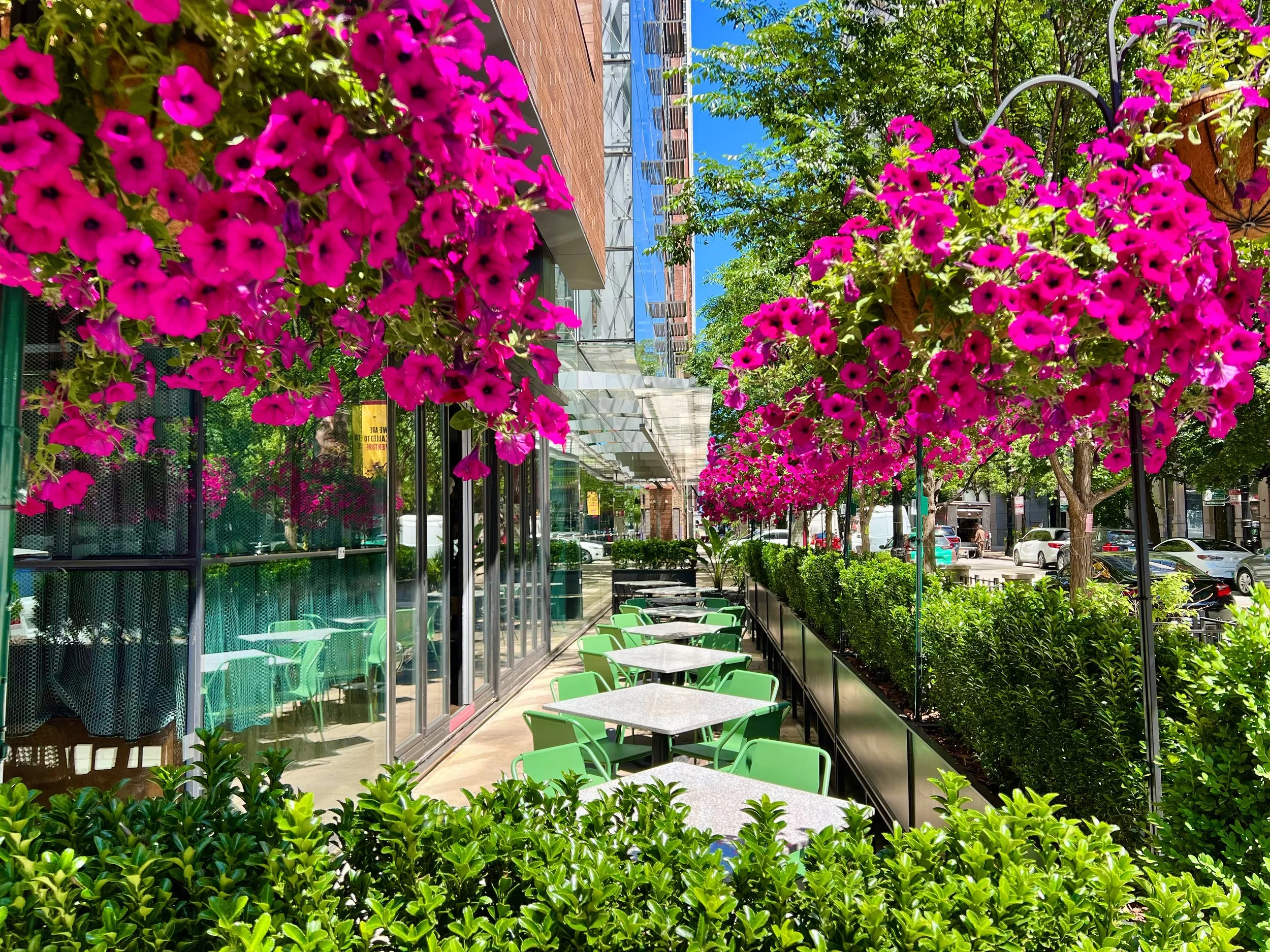
The petunias are up on Pearson!
We are in the final, glorious stretch of spring.
You know this moment. The days are long, the evenings are warm enough to sit outside without a jacket, and everything feels unhurried. In Chicago, this particular window — late May into early June — is the city at its absolute best. The petunias are up, and we have some especially good news — we took out the enclosure on the terrace, so both patios are now fully open air. Th Gold Coast breeze is doing exactly what it should. It is also the moment when my kitchen starts to feel the pull of two seasons at once.
The strawberries are extraordinary right now and I am using them in everything — a burrata with strawberry mostarda, the Strawberry Crunch Salad that Lesa has been pairing brilliantly with the Sabroso Grenache, and a strawberry sundae that has been the most-ordered dessert on the menu for weeks. These dishes exist only as long as the strawberries are at their peak. That window is closing. Come in before it does.
At the same time, I can already feel summer arriving in the back of my mind. The stone fruits are coming. The tomatoes are almost there. I have been sketching out ideas in the kitchen that are going to make you very happy in July. But that is a story for the next issue of The A-List.
For now — the Garden Party Wine Flight is everything I want to drink in this in-between season. Four wines, each chosen for the mood of a warm evening outside. A Menetou-Salon from the Loire Valley that gives you all the elegance of Sancerre at a fraction of the price. The Sabroso Grenache — our official wine of spring, light and fresh and impossible not to love. A Monastrell from high-altitude Alicante that will surprise anyone who thinks they know what a Spanish red tastes like. And a Margaux — silky, floral, the kind of pour that turns dinner into an occasion. The flight is $38. It is one of my favorite things we have put together.
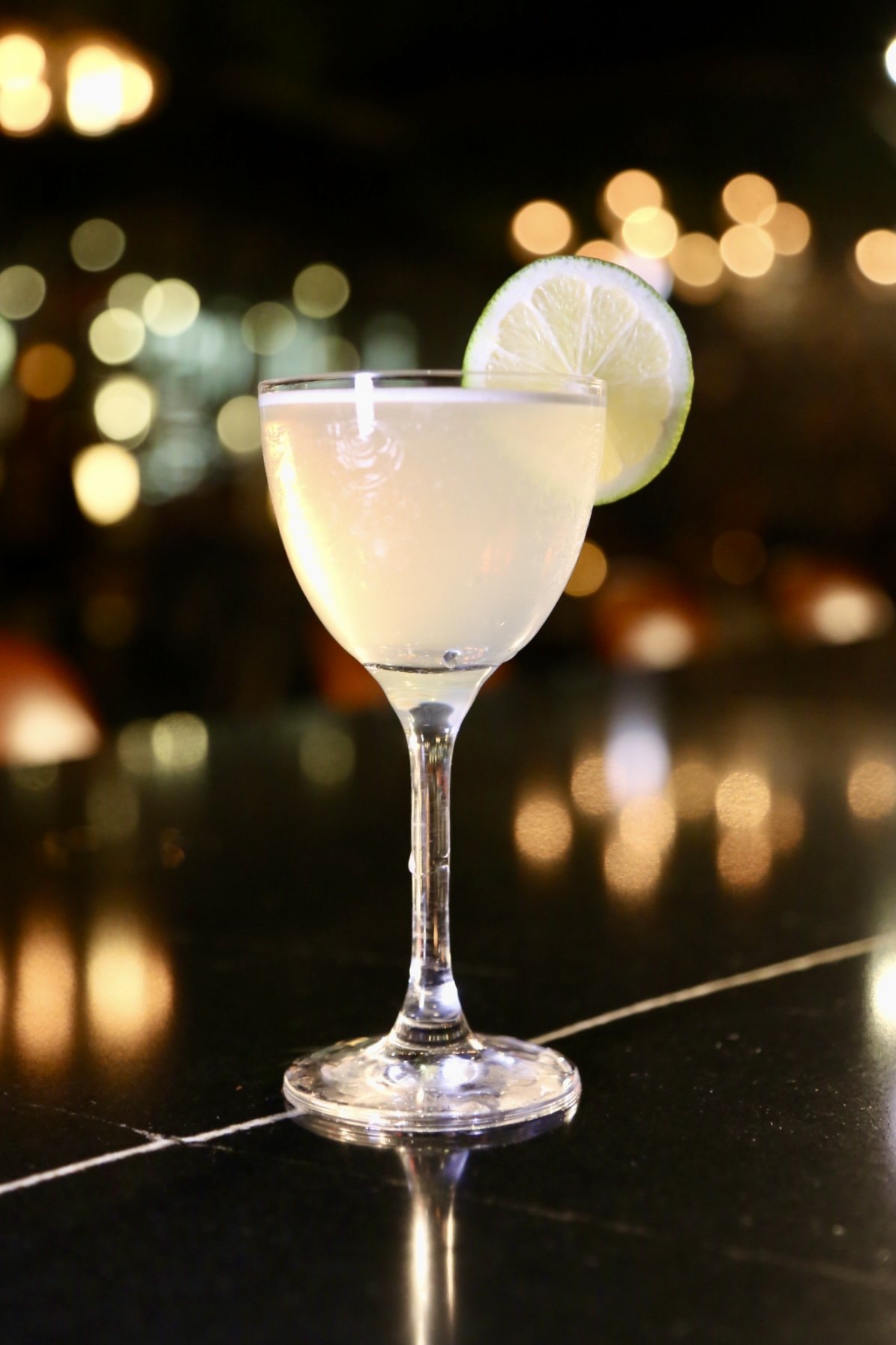
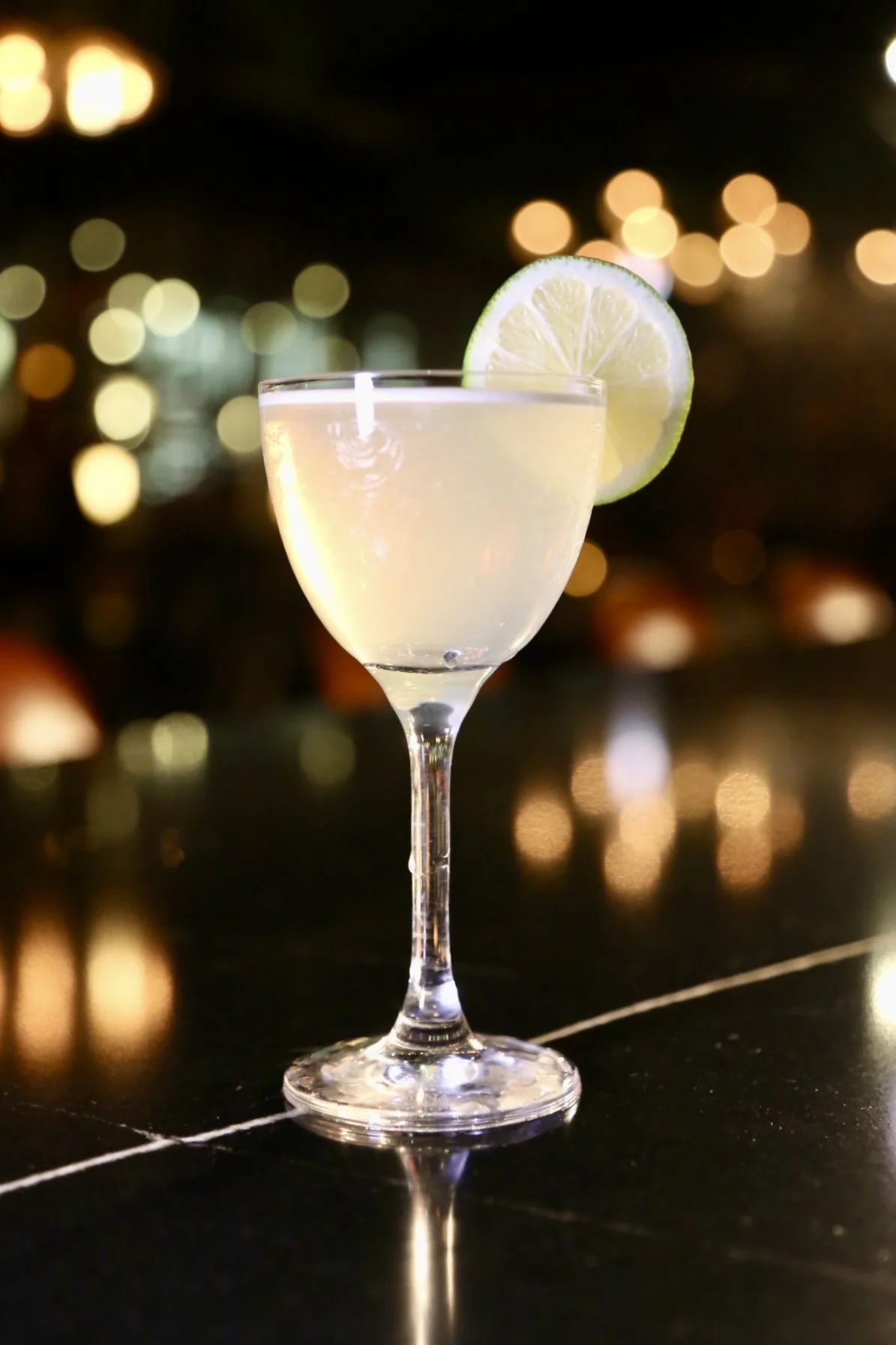
Jody Richardson has also been doing something brilliant at the bar. The Milk Punch Daiquiri is clarified, silky, and made for exactly this weather — warm enough to want something cold and interesting in your glass, cool enough that you are still sitting outside long after the sun goes down. Order one on the patio. You will not regret it.
And if you are celebrating something this season — a graduation, an anniversary, a milestone achievement — we are here for all of it.
Summer is around the corner. But spring still has a few perfect weeks left.
See you at the table. — Alpana
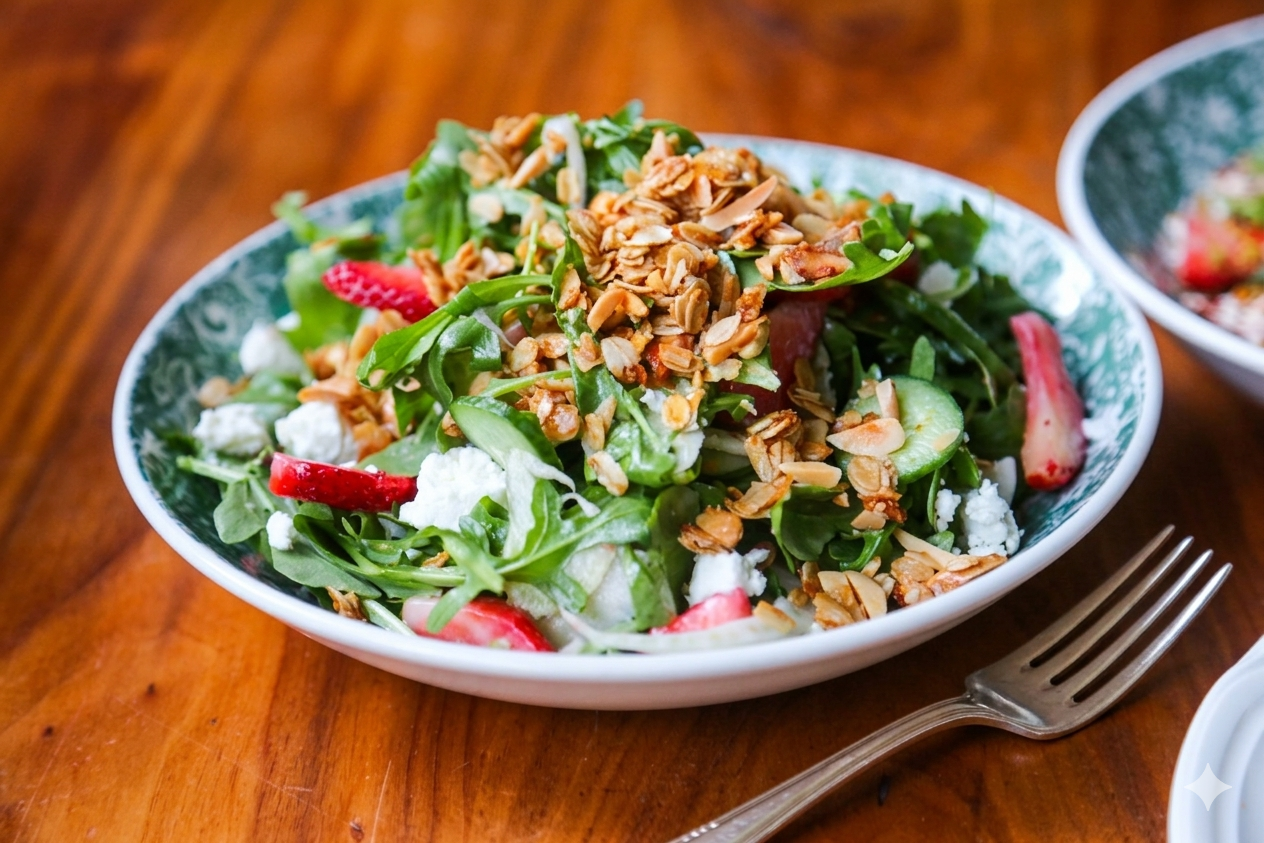
The Secret to our Strawberry Crunch Salad
Why croutons when you have granola? The story behind our Strawberry Crunch Salad — and how to make it at home.
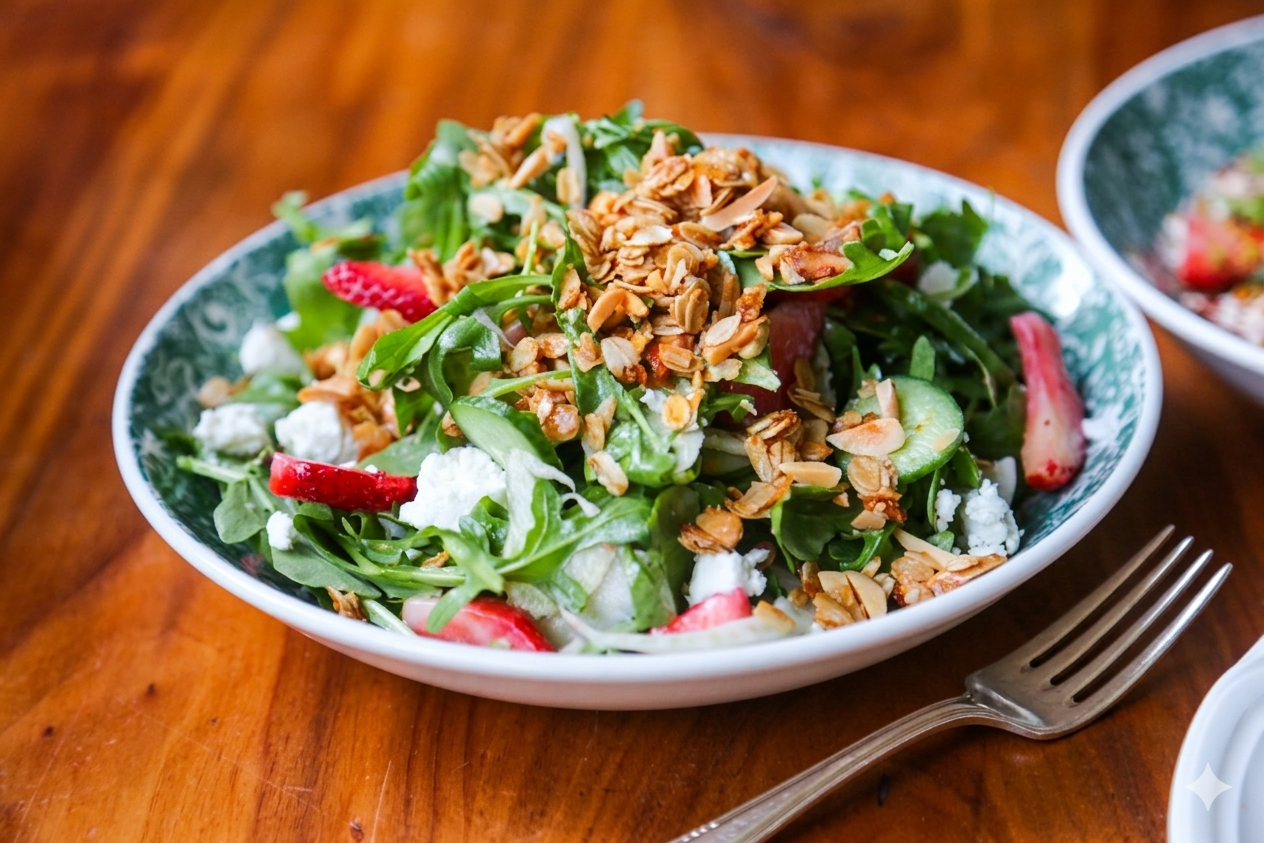
I have a confession. The crunch in our Strawberry Crunch Salad — the thing people keep asking me about, the thing that makes this salad feel different from every other summer salad — started as a snack.
I always have a batch of our house-made almond granola somewhere in the kitchen. I make it constantly. It's the kind of thing I reach for at 3pm, sprinkle over yogurt in the morning, or just eat by the handful when I'm tasting through a new wine flight. It's salty, sweet, nutty, and a little coconutty — and it is extraordinarily good.
One afternoon I was putting together a salad and I wanted crunch. Not croutons — we have a fair number of guests who are gluten sensitive, and beyond that, I wanted something more interesting and looked over and saw the granola sitting on the counter and thought: why not?
Spoiler alert! It worked.
The almonds provide a deep, toasty crunch. The coconut adds a subtle sweetness. The salt does what salt always does — makes everything around it taste more like itself. And the granola holds up beautifully against the strawberry vinaigrette without getting soggy the way croutons often do.
Granola is not just for yogurt. I've been saying this for years. This salad is my proof.
The Strawberry Crunch Salad Serves 2–4
For the salad:
4 cups arugula
1 cup fresh strawberries, hulled and sliced
1 small fennel bulb, shaved thin
1 Persian cucumber, diced
2 oz fresh goat cheese, crumbled
¼ cup almond granola (recipe below or use your favorite granola)
For the strawberry vinaigrette: (Makes 1 cup — more than you need, but it keeps well in the fridge)
3 tablespoons white balsamic vinegar
1½ tablespoons lemon juice
2 tablespoons honey
1 teaspoon Dijon mustard
1 small clove garlic, grated
½ cup avocado oil
Pinch of salt
Blend all ingredients except the avocado oil. With the blender running, slowly drizzle in the oil until emulsified. Taste and adjust seasoning.
To assemble: Toss the arugula, strawberries, fennel, and cucumber with enough vinaigrette to lightly coat. Transfer to a plate or bowl. Top with crumbled goat cheese and finish with a generous handful of granola right before serving.
A few additions I love: sliced avocado, grilled chicken, or a soft-boiled egg. This salad is a framework — build it however you like.
For the granola recipe, I've got you covered right here on The A-List. It really can do it all.
— Alpana
Sabroso in Bloom
The one wine our sommelier keeps reaching for this spring — and exactly what to eat with it.
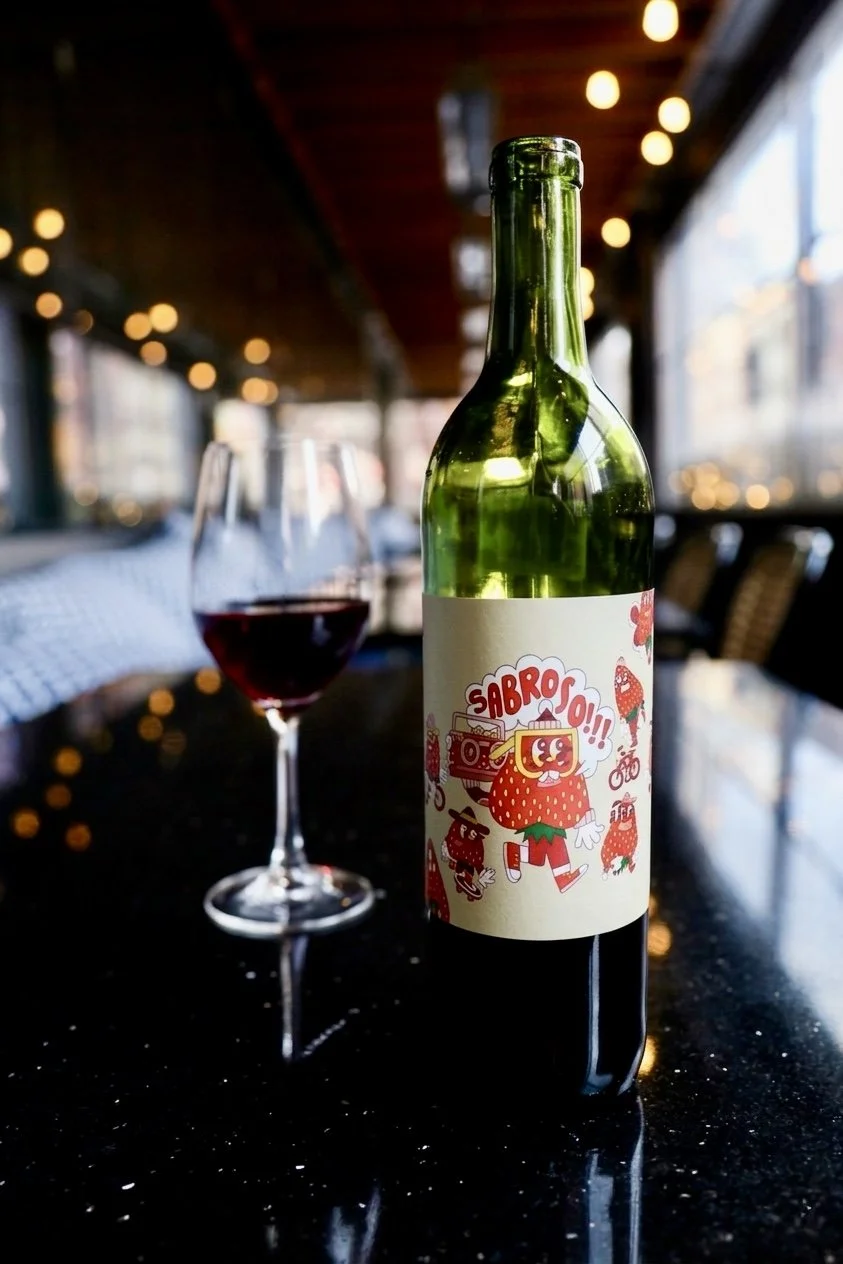
Chicago spring comes and goes — a tease of warmth, then a quick reminder that winter isn't done yet. As we ride the wave, something begins to shift. It's not just in the air — it's what we're craving. Research in sensory science shows that our perception of flavor is influenced by temperature and environment. In colder months, richness and weight hit the spot. In spring, those same qualities can feel like a bit much. We start leaning into lighter, more vibrant expressions. And that shift doesn't stop at the plate — it carries into the glass.
My usual spring go-to is a glass of Frappato, a juicy chillable red from the Italian island of Sicily. This year, the warmer weather has me reaching for something closer to home — the Vinos Finos de California Sabroso Red, from the cool coastal mountains of Monterey.
The Winery
Vinos Finos de California is a boutique winery on the Central Coast, founded by winemaker Ted Glennon. His focus is on bringing old vines to life, reviving overlooked vineyards, and creating wine from forgotten varieties. Glennon's style exudes balance, freshness, and drinkability over heaviness — just what we crave as spring begins to present itself.
The Wine
Sabroso is a light-bodied red blend predominantly made up of Grenache, with small percentages of both Cabernet Pfeffer and Zinfandel. The Grenache brings a basket of red fruit aromas — bright red cherries, freshly picked wild strawberries, and perfectly ripe raspberries. Cabernet Pfeffer, a rare red grape grown exclusively in California, adds a gentle herbaceous lift. The Zinfandel rounds it out with a soft, silky texture.
My favorite part is the finish. The Grenache comes back to the party with a much-welcomed burst of refined acidity. It's fitting that on the bottle's label is a playful drawing of a strawberry wearing sunglasses and holding a boom box. The Sabroso is just that — a fun wine. Versatile too: you can enjoy it chilled or at cellar temp, by itself or with food.
Our Strawberry Crunch Salad
The Pairing
I love pairing a glass of Sabroso with Alpana Restaurant's Strawberry Crunch Salad — fresh greens with shaved fennel, cucumbers, candied pistachios, fresh goat cheese, a strawberry vinaigrette, all topped with almond granola. The Sabroso's fresh red fruit aromas complement the strawberry dressing, and the shaved fennel enhances the wine's herbaceous quality. Add a piece of grilled chicken and dinner is complete. The only thing that could make this scene better would be enjoying them on the patio in 70 degree sunshine.
Spring brings us a quiet shift in how we experience flavor. The wines we reach for begin to reflect that change, drawing us toward those that feel more vibrant and alive. In that sense, a wine like Sabroso isn't simply suited to the change — it captures it.
Vinos Finos de California Sabroso Red is currently available at Alpana by the glass, by the bottle, or as part of our Garden Party Wine Flight.
Come in and tell me what you've been drinking. That's the best part of this job. — Lesa
Operation Milk Punch
In 1711, a woman named Mary Rockett had an idea. Three hundred years later, our bar director had the same one.
My father would often say to me, "Another harebrained scheme" — which I never fully understood until my latest harebrained scheme: let's make a milk punch.
I've seen them pop up over the last couple of years at some of the finest cocktail establishments, locally and abroad. So in my head, I thought it would be fun. What could be so hard about building a rum-based cocktail and washing it in milk?
Well, filtering it. To start.
A Three-Hundred-Year-Old Harebrained Scheme
Let's take it back to the beginning: who had the original harebrained scheme to put a cocktail in milk and filter it? Actually, it was a scientific solution to a very practical problem — the lack of refrigeration. The earliest recorded milk punch dates to 1711, when Mary Rockett documented her method for filtering rum punch through milk to make it shelf-stable. Her recipe was remarkably balanced — spirit, acidity, and sugars in harmony — and the resulting clear elixir could last for weeks. She began bottling and selling it, shipping it to colonial America.
The drink soon gained popularity among London's elite. Aphra Behn, an author, playwright, and British spy, helped make it more mainstream. And in 1763, Benjamin Franklin published his own milk punch recipe in a newsletter, praising it for its durability on long journeys. Three hundred years later, the technique found its way back into craft cocktail culture — and into our bar program.
The Science (It's Actually Cool)
Here's what happens when you wash a cocktail in milk: the acid in the punch — citrus juice, tea — causes the milk's casein proteins to curdle. Those curds act as a natural filter bed, trapping tannins, pigments, and bitter compounds as the liquid passes through. What comes out the other side is perfectly clear, silky, and mellow — with a subtle sweetness from residual lactose and flavors that have been softened and integrated in a way you simply can't achieve any other way.
The cocktail becomes texturally rich without being heavy. The acidity is present but gentle. Everything is in sharp focus. It is one of the most structurally elegant things you can do behind a bar — which is partly why I couldn't resist trying it.
What's In Ours
We began with a base of Bacardi 8 Year — the Puerto Rican house's charcoal-filtered aged rum, which brings enough complexity to anchor the cocktail without dominating it. To that, I added Apologue Carrot Liqueur, aiming for a spiced, carrot cake-style warmth. Apologue is made right here in Chicago, in Pilsen — a local ingredient I was glad to work with. Then Chicago's own Rare Tea Cellar coconut chai tea, which threads the whole thing together. Lime and pineapple juice round it out, tying the tropical notes back to the rum and keeping the whole thing bright.
The result has a lot going on — spice, fruit, funk, warmth — but it's remarkably clean. Which, of course, is the whole point of the clarification.
How to Order It
The Milk Punch Daiquiri is on our current cocktail menu. I serve it two ways depending on what you're eating: over a single large cube if you're starting light, or served up if you're heading somewhere richer — the Braised Short Ribs, the Wild Mushroom Ravioli. Either way, it looks like something. And it tastes like something.
Alpana tasted it for the first time on a Tuesday afternoon in the empty dining room, with the afternoon light coming through the window-side room, and she said: "This tastes like spring decided to get serious."
I can't improve on that.
See you at the bar. — Jody

Spice Rack: Berbere
Whether you're a seasoned chef or a home cook, this versatile spice blend deserves a spot in your pantry.

Berbere adds a smoky savory note to our Faroe Island Salmon
Spice Up Your Kitchen: How Berbere Can Elevate Your Cooking
If you're a culinary adventurer always on the lookout for new flavors to explore, let me introduce you to Berbere (pronounced bare-bare-ay) —a vibrant, complex spice blend that I’ve been having a lot of fun with in the kitchen. Berbere is a symphony of flavors—spicy, sweet, earthy, and tangy all at once. It reminds me a lot of Garam Masala, a spice blend widely used in South Asian cuisine. Hailing from Ethiopia and Eritrea, Berbere is a cornerstone of East African cuisine, known for its bold, fiery, and aromatic profile. It typically includes a mix of chili peppers, garlic, ginger, fenugreek, coriander, cumin, cardamom, cinnamon, and cloves, among other spices. The exact recipe varies by region and family, but the result is always a warm, smoky, and slightly sweet flavor with a lingering heat. The deep red color of Berbere comes from the dried chilies, making it as visually striking as it is flavorful. It adds depth and dimension to dishes that a single spice simply can’t achieve. While it’s a staple in Ethiopian dishes like doro wat (spicy chicken stew) and misir wat (red lentil stew), Berbere can be used in a wide range of cuisines. We use in in our Faroe Island Salmon where it adds a smoky savory note to the carrot ginger puree. Whether you're a seasoned chef or a home cook, this versatile spice blend deserves a spot in your pantry. Let’s dive into what makes Berbere so special and how you can use it to elevate your dishes.
Ready to experiment with Berbere? Here are some creative ways to incorporate it into your meals. Berbere can be on the spicier side so start small with a teaspoon or so and adjust to your tastes.
Spice Rubs and Marinades: Berbere makes an incredible dry rub for meats like chicken, beef, or lamb. Mix it with a little olive oil to create a paste, let it marinate for a few hours, and then grill or roast for a flavor-packed main course.
Stews and Soups: Add a tablespoon or two of berbere to your next pot of soup or stew. It pairs beautifully with lentils, chickpeas, or even a hearty vegetable stew.
Roasted Vegetables: Toss your favorite veggies—sweet potatoes, cauliflower, or carrots—with olive oil and a generous sprinkle of berbere before roasting. The spice blend caramelizes beautifully in the oven.
Eggs: Elevate your breakfast game by adding a pinch of berbere to scrambled eggs, frittatas, or shakshuka. The warmth of the spices complements the richness of the eggs perfectly.
Dips and Spreads: Stir berbere into hummus, yogurt, or tahini for a spicy, flavorful dip. Serve with pita bread or fresh veggies for a quick appetizer.
Popcorn or Nuts: For a unique snack, toss freshly popped popcorn or roasted nuts with melted butter and a dusting of berbere. It’s addictive!
Where to Find Berbere
You can find Berbere at specialty spice shops, international grocery stores, or online. They stock it at my local Whole Foods. If you’re feeling adventurous, you can even make your own blend at home by toasting and grinding whole spices. This allows you to customize the heat level and flavor to your liking.

Featured Pours: Roman Empire
These featured pours from Italy are our Roman Empire.

This March, for our wines of the month, we’re channeling the Roman Empire, a theme that’s as unforgettable as the Ides of March. Dive into hidden gems from Italy that we’re utterly obsessed with—wines so captivating, they’re all we can think about (much like those who can’t stop pondering the glory of Rome). These off-the-beaten-path selections are a tribute to Italy’s lesser-known treasures. Join us and try these selectionsby the glass, bottle, or as a curated flight. Veni, Vidi, Vino!
Palazzo Tronconi ‘Fregellae’ Frusinate, Lazio 2022
Situated near the archaeological site of Fregellae, an important Roman colony, Palazzo Tronconi is surrounded by the remnants of ancient civilization, including ruins, artifacts, and stories of a once-thriving city. Made from Biodynamically-grown Capolongo grapes with low intervention and some skin contact, the texture is rich and round, with a bittersweet honey note that is tempered by the tart stone fruit, bright acidity and rocky minerality.
Bisci ‘Villa Castiglioni’ Sangiovese, Marche 2018
While Sangiovese is more famously associated with Tuscany, Marche's unique terroir, with its rolling hills and proximity to the Adriatic Sea, imparts a distinct character to the grape. Wines from this region often showcase bright red fruit flavors, subtle earthy notes, and a refreshing acidity, making them versatile and food-friendly. The Marche Sangiovese is typically lighter in body compared to its Tuscan counterparts, offering a more approachable and vibrant style.
Valle Reale ‘Vigneto di Popoli’ Montepulciano d'Abruzzo 2017
Because of its unique location, Valle Reale has redefined Montepulciano d’Abruzzo: at 1,100+ feet above sea level, the vineyards are nestled into one of Italy’s most beautiful national parks. Montepulciano d’Abruzzo is known for its deep ruby color, this wine is celebrated for its rich, velvety texture and approachable tannins. It typically offers flavors of ripe dark berries, plums, and hints of spice, with a smooth, lingering finish. Its approachability and consistent quality have made it a favorite among wine lovers worldwide, showcasing the warmth and charm of Abruzzo’s winemaking tradition.
Colpetrone Sagrantino di Montefalco, Umbria 2015
Sagrantino di Montefalco is a prestigious red wine from the Montefalco region in Umbria, Italy, made exclusively from the Sagrantino grape. Known for its bold and robust profile, this wine is characterized by its deep, inky color, high tannins, and intense flavors of dark berries, black plum, and earthy spices. Sagrantino di Montefalco is often aged to soften its powerful structure, revealing layers of complexity and a long, lingering finish. It is a wine with excellent aging potential.

Sip Into Spring
Celebrate the arrival of spring with these fresh and vibrant bottles.

Spring Sips: What We’re Featuring for Spring
As the days grow longer and the first blooms of spring appear, it’s time to refresh your wine selection to match the season. Spring calls for wines that are vibrant, lively, and versatile—wines that can complement the fresh flavors of seasonal produce and pair beautifully with lighter meals. Whether you’re enjoying a sunny picnic, a garden brunch, or a cozy dinner, here are the wines to sip this spring.
Lighter Whites for Sunny Days
Spring is the season for crisp, aromatic whites that mirror the freshness of the season. These wines are perfect for sipping on their own or pairing with spring salads, asparagus, and seafood.
Grüner Veltliner (Austria): This Austrian gem is a springtime favorite, known for its zesty acidity and notes of green apple, white pepper, and citrus. It’s incredibly food-friendly and pairs wonderfully with spring vegetables like peas, radishes, and artichokes.
Sancerre (France): Made from Sauvignon Blanc in the Loire Valley, Sancerre is a classic spring wine. Its bright acidity and flavors of gooseberry, lime, and fresh herbs make it an ideal match for goat cheese, grilled fish, or a simple herb-roasted chicken.
Vermentino (Italy): Hailing from coastal regions like Sardinia and Liguria, Vermentino is a refreshing white with notes of lemon, green almond, and a hint of salinity. It’s perfect for pairing with spring pasta dishes, shellfish, or a plate of antipasti.
Fresher Reds for Cooler Evenings
While spring is often associated with white wines, don’t overlook lighter reds that offer freshness and elegance. These wines are great for transitioning from the cooler evenings of early spring to the warmer days ahead.
Mencía (Spain): From Spain’s Bierzo region, Mencía is a medium-bodied red with vibrant acidity and flavors of red berries, violets, and a touch of earthiness. It’s a fantastic match for roasted spring vegetables, mushroom dishes, or even grilled lamb.
Pinot Noir (Global): A perennial favorite, Pinot Noir is a versatile red that shines in spring. Whether it’s from Burgundy, Oregon, or New Zealand, its bright red fruit flavors, silky texture, and subtle earthy notes make it a great companion for dishes like roasted salmon, spring risottos, or even a charcuterie board.
Spring Pairings to Try
Grüner Veltliner with a shaved asparagus salad topped with Parmesan and lemon vinaigrette.
Sancerre with a creamy goat cheese tart and fresh herbs.
Vermentino with grilled shrimp and a citrusy quinoa salad.
Mencía with roasted mushrooms and a side of spring peas.
Pinot Noir with herb-crusted rack of lamb and a minty pea puree.
Spring is all about renewal and fresh beginnings, and your wine choices should reflect that. Whether you’re drawn to the crispness of a Grüner Veltliner or the elegance of a Mencia, these wines will help you celebrate the season in style. So, grab a glass, step outside, and toast to the beauty of spring! Cheers! 🥂

Recipe: Green Goddess Dressing
Welcome spring with the vibrant flavors of Green Goddess Dressing!

Spring is the season of fresh, vibrant flavors, and nothing captures that spirit quite like Green Goddess dressing. This creamy, herbaceous dressing has a rich history and a flavor profile that’s as versatile as it is delicious. Green Goddess dressing was born in the 1920s at the Palace Hotel in San Francisco. Created by executive chef Philip Roemer, the dressing was originally made as a tribute to actor George Arliss, who was staying at the hotel while performing in the play The Green Goddess. The play was a hit, and so was the dressing. Its vibrant green color and rich, tangy flavor made it an instant classic.
The original recipe included mayonnaise, sour cream, anchovies, parsley, tarragon, chives, and lemon juice. Over the years, it became a staple in American kitchens, often served as a dip or salad dressing. While the traditional recipe calls for anchovies, we’re reimagining it for a modern palate, focusing on the fresh herbs and creamy base that make it so irresistible. This season, we’re showcasing our Green Goddess dressing in a fresh, vibrant spring salad featuring mixed greens, snap peas, asparagus and goat cheese. It’s the perfect way to to celebrate the bounty of spring produce and here’s how you can make it at home:
Makes Approximately 2 cups dressing
1 cup Greek Yogurt (preferably full fat)
1 cup Hellman’s mayonnaise
2 cups tender herbs (such as basil, dill, cilantro, parsley, chives, tarragon - see note below)
1 tablespoon diced red onion or shallot
1 tablespoon lemon juice (~ the juice of 1/2 lemon)
1 tablespoons white wine vinegar or white balsamic
1 clove garlic
1 teaspoon kosher salt
several grinds black pepper
couple dashes tabasco
*Fresh Herbs: feel free to customize the mix of herbs to your preference but the two non-negotiables in my opinion are the basil and dill. These two herbs add that certain something special that green goddess is known for. I’ve also made this dressing with varying ratios of mayonnaise to greek yogurt. Cooking is about experimenting so find what works for you.
How to Use Green Goddess Beyond Salad
Green Goddess dressing is incredibly versatile. Here are a few other ways to enjoy it:
As a dip for crudités or grilled vegetables.
Drizzled over grilled chicken or fish.
Spread on a sandwich or wrap for a burst of flavor.
Served alongside roasted potatoes or as a topping for baked potatoes.

Be My Valen-Wine
4 Wines for Valentine’s Day with Romantic Connections

4 Wines for Valentine’s Day with Romantic Connections
Valentine’s Day is the perfect occasion to celebrate love, and what better way to do that than with a thoughtfully curated selection of wines? Whether you’re planning a romantic dinner at home or a cozy night in, we’ve chosen four wines that not only taste incredible but also have romantic connections to set the mood. From sparkling to dessert, each bottle tells a story of passion, elegance, and indulgence.
Here are our top picks for Valentine’s Day, complete with food pairing suggestions to make your celebration unforgettable:

Sparkling: Champagne or Prosecco
Romantic Connection: Bubbles are synonymous with celebration, and nothing says “I love you” like the pop of a cork. Sparkling wines are often associated with toasts, milestones, and romantic moments.
Wine Pick:
Adami ‘Vigneto Giardino’ Rive di Colbertaldo, Valdobbiadene, Italy: Adami's Vigneto Giardino was the first single-vineyard Prosecco ever made, in 1933, showing the potential of top-tier vineyards to make unique wines at a time when it was standard practice to blend together several different vineyards. Vigneto Giardinoliterally Garden Vineyardwas the family's first vineyard, purchased in 1920.

Pairing Suggestion:
Start your evening with a glass of bubbly paired with oysters on the half shell or a charcuterie board featuring creamy cheeses, prosciutto, and fresh fruit. The crisp acidity and effervescence of the wine will cleanse your palate and set the tone for the meal ahead.
Rosé: Provence Rosé
Romantic Connection: Rosé is the color of blushing cheeks and sunsets, evoking warmth and affection. Its delicate pink hue and refreshing flavor make it a romantic choice for sharing.
Wine Pick:
La Spinetta ‘Rose di Casanova’ Tuscany, Italy: Inspired by Provencal Rosés, the Rivetti decided to produce one rosé from their porfolio. The fascinating characteristics of Sangiovese and Prugnolo Gentile, permitted us to create a wine that shows great character, an intense aroma, and which is very pleasant to drink. It has a floral and fruity bouquet with hints of citrus and Mediterranean scrub.
Pairing Suggestion:
Pair this elegant rosé with a light seafood dish like grilled shrimp or seared scallops. Alternatively, try it with a strawberry and arugula salad topped with goat cheese and a balsamic glaze. The wine’s bright acidity and subtle fruit notes will complement the dish beautifully.

White Wine: Chardonnay
Romantic Connection: Chardonnay is a classic, versatile wine that’s as sophisticated as it is comforting. Its rich, buttery texture and notes of apple and vanilla make it a luxurious choice for a romantic evening.
Wine Pick:
Matthiasson ‘Linda Vista’ Chardonnay, Napa Valley: Zesty Meyer lemon combines with ripe Golden Delicious apples, yellow peaches, musk melon, and honey to deliver a beautifully balanced Chardonnay with a clean finish and haunting minerality
Pairing Suggestion:
Serve this Chardonnay with a creamy pasta dish like fettuccine Alfredo or lobster mac and cheese. The wine’s richness will mirror the decadence of the dish, creating a harmonious pairing. For a lighter option, try it with roasted chicken or a vegetable risotto.

Pinot Noir
Romantic Connection: Pinot Noir is often called the “heartbreak grape” because it’s notoriously difficult to grow, but when done right, it’s pure magic. Its silky texture and notes of red berries and earth make it a sensual and romantic choice.
Wine Pick:
J Christopher Pinot Noir, Oregon: This second-label Willamette Valley wine is a blend of barrels from the three appellations where J. Christopher has long-standing grower relations. It’s an appealing, fruit-forward expression of cool-climate Willamette Valley Pinot Noir.
Pairing Suggestion:
Pair this Pinot Noir with a dish that’s equally elegant, like duck à l’orange, herb-crusted lamb chops, or mushroom risotto. The wine’s bright acidity and earthy undertones will enhance the flavors of the dish, creating a memorable dining experience.

Dessert Wine: Brachetto d’Acqui
Romantic Connection: Brachetto d’Acqui is the ultimate Valentine’s Day wine—sweet, lightly sparkling, and bursting with notes of ripe strawberries, rose petals, and a hint of spice. Its low alcohol content and effervescence make it irresistibly easy to sip, while its romantic ruby-red hue sets the perfect mood for love.
Wine Pick:
Marenco Pineto Brachetto d’Acqui, Piedmont, Italy: Delicate, ruby red color. Elegant aromas of rose, and raspberries; typical of the Brachetto grape. Aromatic, delicate, and harmonious on the palate.
Pairing Suggestion:
Pair it with dark chocolate desserts, fresh berries, or a cheese plate featuring creamy brie and mascarpone for a decadent, romantic treat. It’s like dessert in a glass, making it the perfect way to end your Valentine’s celebration on a sweet note. Cheers to love!
Make It a Night to Remember
This Valentine’s Day, let wine be the star of your celebration. Whether you’re sharing a bottle of sparkling wine to start the evening or sipping dessert wine by candlelight, these wines are sure to set the mood for romance. And don’t forget the food pairings—they’re the perfect way to elevate your experience and create a meal that’s as memorable as the company.
Cheers to love, laughter, and great wine!

Chicago Restaurant Week
From now until February 9th, we’re offering a 3-course dinner menu and a 2-course weekend brunch menu as part of Chicago Restaurant Week. Whether you’re craving something cozy and comforting or fresh and vibrant, we’ve got you covered.

It’s Chicago Restaurant Week—And You’re Invited!
Chicago Restaurant Week is one of our favorite times of the year. It’s a chance to celebrate the city’s incredible food scene, connect with our community, and share some of our most beloved dishes with both longtime regulars and first-time guests. This year, we’re thrilled to announce that we’re participating once again, and we’ve put together a special menu that’s packed with our greatest hits.
From now until February 9th, we’re offering a 3-course dinner menu and a 2-course weekend brunch menu as part of Chicago Restaurant Week. Whether you’re craving something cozy and comforting or fresh and vibrant, we’ve got you covered.
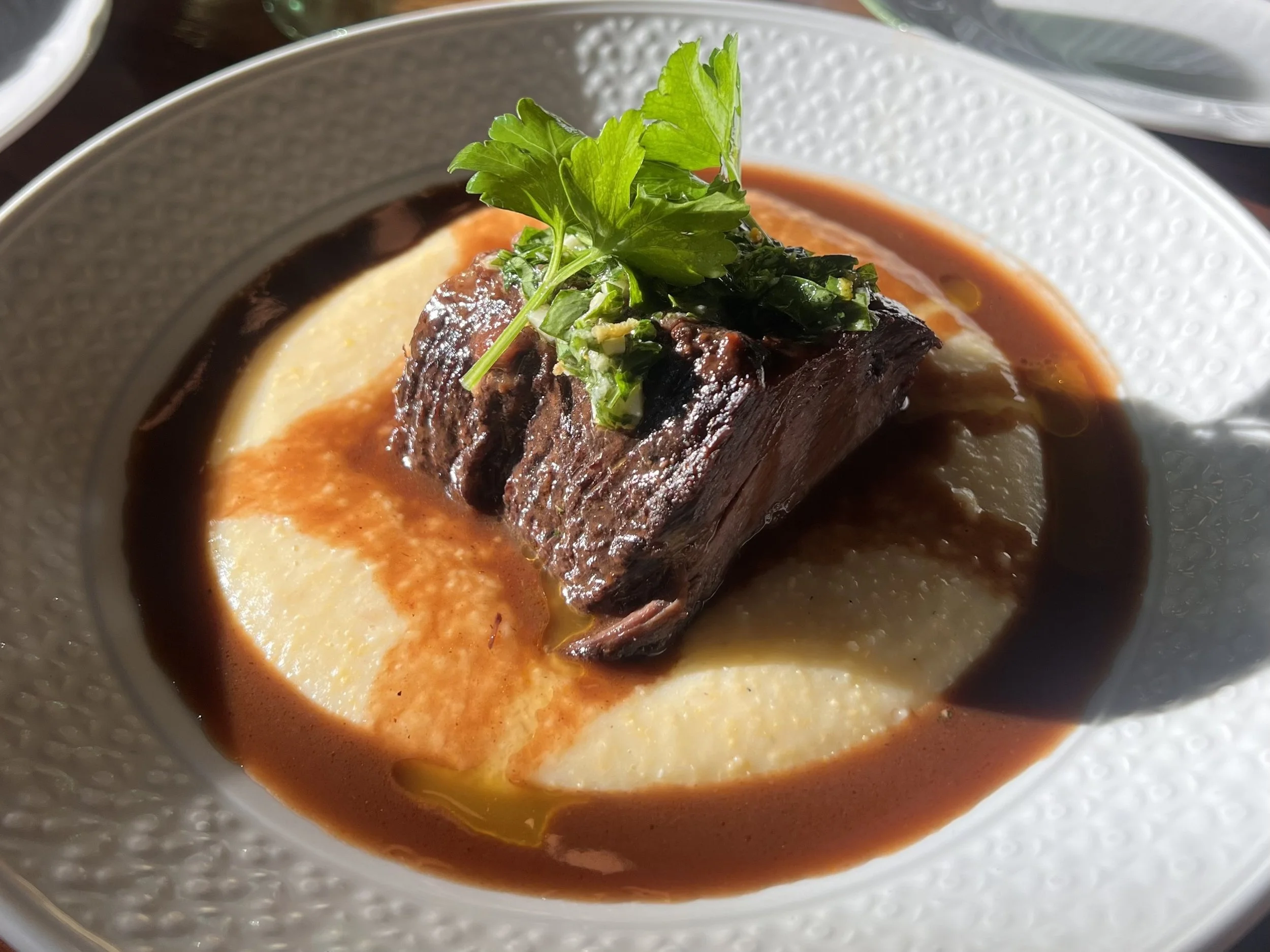

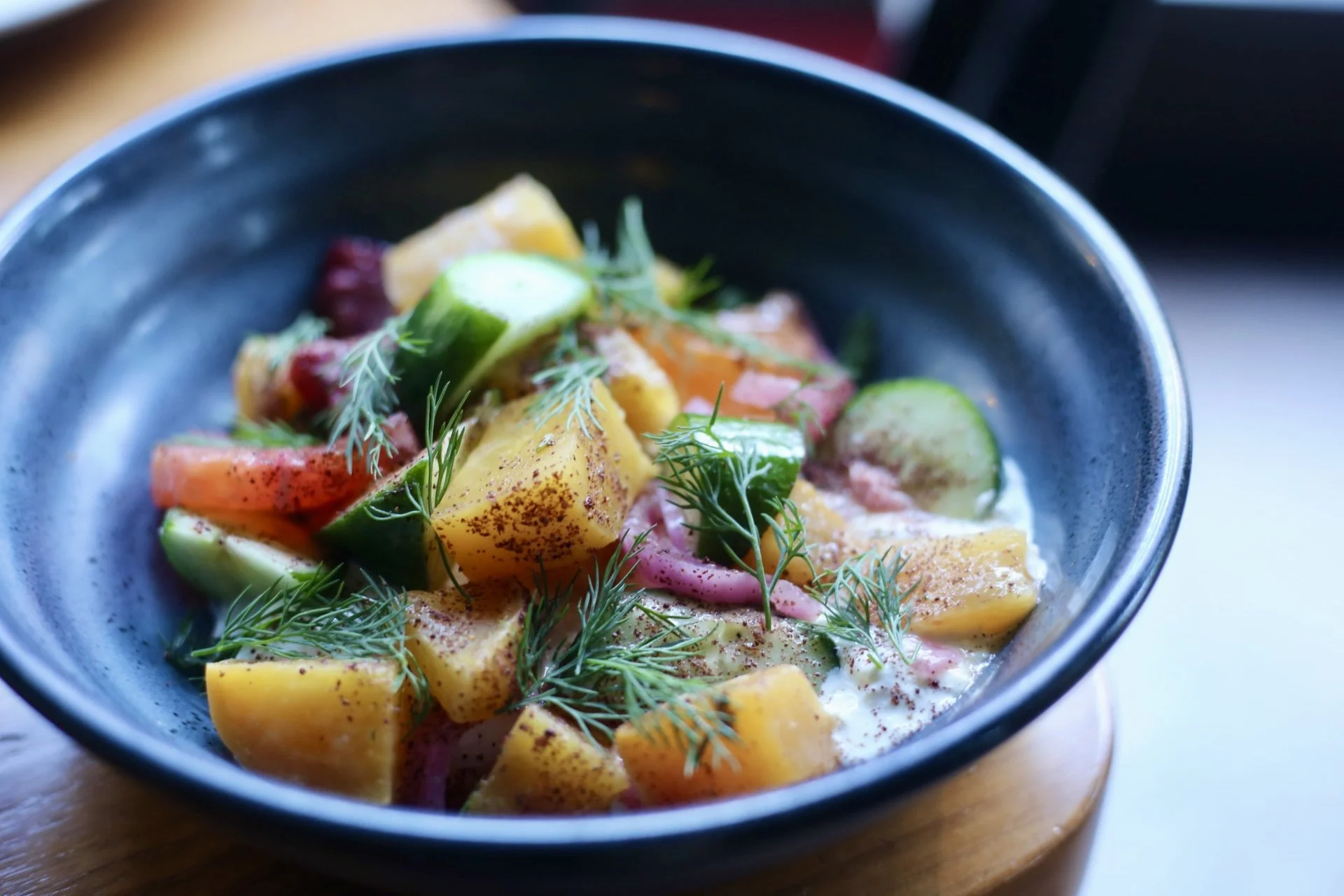

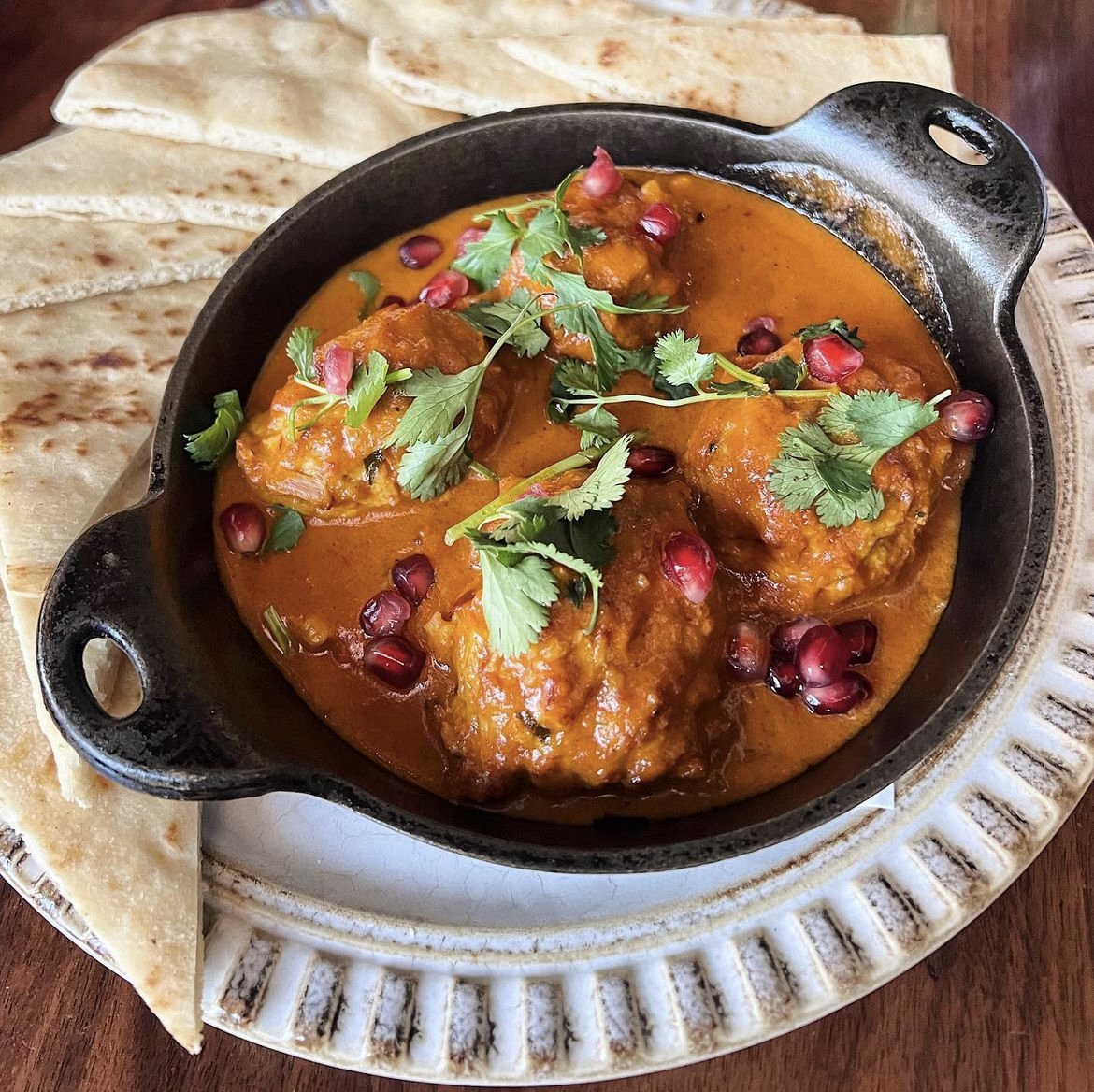


The Menu: A Celebration of Our Greatest Hits
Why We Love Restaurant Week
Chicago Restaurant Week is more than just a chance to enjoy great food—it’s a celebration of the city’s vibrant culinary community. It’s an opportunity for us to welcome new faces, reconnect with old friends, and share the dishes we’re most proud of. Plus, it’s a reminder of why we do what we do: to create memorable experiences, one plate at a time.
Reservations Are Still Available!
Whether you’re planning a date night, a family dinner, or a weekend brunch with friends, we’d love to have you join us. Reservations are filling up fast, but there’s still time to secure your spot. Don’t miss your chance to experience our Restaurant Week menu—it’s only available until February 9th!
So, what are you waiting for? Grab your loved ones, make a reservation, and come celebrate Chicago Restaurant Week with us. We can’t wait to share our greatest hits with you.
See you soon!

California Love
This February, we’re pouring a little extra love into our wine program with a special theme: California Love. 25% of every flight sold will be donated to Giving Kitchen to aid in relief efforts for hospitality service workers affected by the recent California wildfires.

25% of every flight sold will be donated to Giving Kitchen to aid in relief efforts for hospitality service workers affected by the recent California wildfires.
This February, we’re pouring a little extra love into our wine program with a special theme: California Love. Each month, we highlight a region, theme, or style of wine to explore and celebrate the wine world. And this month, we’re shining the spotlight on the Golden State—home to some of the most iconic vineyards and winemakers in the world.
From the sun-drenched valleys of Napa to the rugged coastlines of Sonoma, California’s wine regions are as varied as they are breathtaking. To honor this incredible state, we’ve curated a selection of four standout wines that showcase some of the best of what California has to offer. Whether you’re a fan of crisp whites, bold reds, or something in between, there’s something here to fall in love with.
The Wines:
The Vice Sauvignon, Napa Valley 2023
Started by Malek Amrani and his wife Torie Greenberg after leaving New York City for Napa Valley. With a background in wine sales and marketing, Malek and Torie are a one-stop shop, handling everything from production to designing labels and working the market. All of the wines they produce are small batch and are produced from single grape varietals. Batch #141 is made from sustainably grown Sauvignon Blanc and Semillon. Light-bodied and crisp with aromas of grapefruit, lime zest, and fresh herbs. The palate is crisp and refreshing, with flavors of passion fruit, green apple, and a hint of minerality.Lioco ‘Indica’ Carignan Blend, Mendocino County 2022
Composed from three historic Mendocino Country ranches-all with heritage dry-farmed, head-trained Carignan and Valdiguie vines. These rapidly vanishing California grapes harken back to the Golden State’s earliest winemaking efforts. Fresh & clean with aromas of just-picked blackberry, Italian plum, & lavender. On the palate rich mulberry, violette liqueur & chai spice.Pedroncelli ‘Sonoma Classico’ Red Blend, Dry Creek Valley 2022
Four generations of the Pedroncelli family have called Geyserville, in the Dry Creek Valley of Sonoma County, home since 1927. Sonoma Classico is their proprietary blend of Merlot, Syrah, Sangiovese, Tinta Madeira and Souzao. Simply delicious, broad and welcoming, this full-bodied wine wafts chocolate, cherries and toast aromas, and incorporates warm, ripe dark plums, blueberries and black cherries in the mouth. Moderate tannins match the generous flavors for a wineTrione Zinfandel Flat Ridge Ranch, Sonoma County 2016 The Flatridge Zinfandel is a unique wine and vineyard. The vineyard was planted with a selection of Zinfandel sourced from a 100-year-old vineyard next to the St. Peter’s Church in the northern Sonoma County town of Cloverdale. Aromas of warm vanilla, infused with five spice and the sweetness of dark berries weaving throughout. The palate is enveloped by bramble and black cherry, while dried coconut and cardamom add a tantalizing twist.
How to Enjoy:
You can savor these wines by the glass, bottle, or as a flight of three or all four. The flight is a fantastic way to explore the range of flavors and styles that California wines have to offer. Plus, it’s a great opportunity to discover a new favorite!
Giving Back to California:
This month, our California Love theme isn’t just about celebrating great wine—it’s also about giving back to the communities that make it all possible. In light of the recent wildfires that have impacted so many in California, we’re donating 25% of the proceeds from every flight sold to Giving Kitchen, a nonprofit organization dedicated to providing relief to food service workers affected by disasters, including the recent California wildfires.
The hospitality industry is the heart and soul of California’s wine country, and we want to show our support for those who have been affected by these devastating events. By enjoying a flight of California wines, you’re not only treating yourself to something special—you’re also helping make a difference.
So, whether you’re a longtime fan of California wines or just curious to explore, we invite you to join us this February for California Love. Raise a glass to the Golden State, its incredible wines, and the resilient spirit of its people. Cheers to love, generosity, and great wine!
See you soon!

The Granola That Haunted Me
The very best granola recipe is now on feature for our Restaurant Week Menu! We’re also sharing the recipe here. Crunchy, sweet, salty, and totally customizable—it’s the ultimate brunch upgrade.

…In the very best way possible.
There are some foods that stick with you long after the last bite. They linger in your memory, popping up at random moments, making you wonder, “Will I ever taste that again?” For me, that food was a granola I had years ago at a friend’s house. It was crunchy, sweet, nutty, and just the right amount of salty—a perfect balance of textures and flavors. I couldn’t stop thinking about it.
The granola was made by my friend’s wife, Anne, who is one of those people who just gets food. She has an intuitive sense of flavor and a knack for creating dishes that feel both comforting and elevated. When I asked her about the granola, she smiled and said it was a special recipe, but she didn’t reveal much more than that. I left that day with a full stomach and a lingering curiosity.
Fast forward a few years, and I found myself brainstorming ideas for our restaurant week menu. I wanted to include something unique for brunch—a dish that would stand out but still feel approachable. That’s when I remembered Anne’s granola. I reached out to her, hoping she’d be willing to share the recipe. To my delight, she did—and that’s when I discovered its origin.
The granola was none other than the famous Eleven Madison Park recipe. Yes, that Eleven Madison Park—the three-Michelin-starred restaurant in New York City known for its impeccable cuisine. Anne had adapted the recipe to her own tastes, swapping in her favorite nuts, seeds, and dried fruits. It was a revelation.
But the story doesn’t end there. Shortly after learning about the recipe’s origin, I recalled a time when I stayed at the NoMad Hotel and their mini-bar included a house made granola. I opened the jar, took one bite, and thought - wow, this is good as Anne’s granola. Turn’s out the two recipes were the same and it felt like the universe was sending me a message: This granola is meant to be shared.
And so, here we are. For our restaurant week brunch menu, we’re featuring our own version of this iconic granola. Like Anne and the chefs at Eleven Madison Park, we’ve made it our own. You can choose your own adventure here by adding—almonds, pecans, and walnuts—along with pumpkin seeds, coconut flakes, and a touch of maple syrup for sweetness. Dried cherries and apricots add a chewy, fruity contrast to the crunch. We server ours with a a dollop of creamy yogurt and a drizzle of honey, making it the perfect start to the day.
What I love most about this granola is its versatility. The base recipe is a blank canvas, ready to be customized with whatever nuts, seeds, and dried fruits you love. It’s a reminder that great food doesn’t have to be complicated—it just has to be made with care and attention to detail.
So, if you’ve been searching for a granola that’s worthy of your morning routine, come try ours during restaurant week. It’s a dish that’s been years in the making, inspired by a friend, a world-class restaurant, and a little bit of serendipity. And who knows? Maybe it’ll become the granola that haunts you in the best way possible.
See you at brunch!
THE VERY BEST GRANOLA (makes 6 cups)
1 cup shelled pistachios or nut of your choice
2 3/4 cups rolled oats
1/3 cup raw pumpkin seeds
1/3 cup sunflower seeds
1 cup unsweetened coconut chips or flakes (not shredded coconut)
1 teaspoon kosher salt
1/2 cup light brown sugar
1/3 cup extra-virgin olive oil
1/3 cup maple syrup
3/4 cup dried sour cherries or dried fruit of your choice
Preheat oven to 300°F (150°C). Line a baking sheet with parchment paper.
In a medium bowl, mix together oats, nuts, seeds, coconut chips, and salt.
In a small saucepan, combine brown sugar, olive oil, and maple syrup. Bring heat to medium and whisk occasionally until sugar has dissolved. Pour over oat mixture.
Spread oat mixture on prepared baking sheet. Bake until lightly golden, about 20-40 minutes*. Remove from oven and mix in dried fruit.
*Note about oven temperatures. We use a convection oven at the restaurant and our cooking time clocks in at 20 minutes. Note that all ovens are calibrated different and cooking times can vary. I would suggest taking a peek at the 15 minute mark, tossing it around and then check in every 5 minutes until the granola is golden or to your liking.

Tour De France
The Alpana Wine Collective is taking a Tour of France for the month of May.

For the month of May, The Alpana Wine Club is taking a tour through France. French wine is renowned for its exceptional quality and diversity with regions like Bordeaux, Loire Valley, Rhone and Burgundy producing some of the world’s most esteemed wine. The French concept of terroir, where the delicate interplay of soil, climate and location is the driving force in determining the wine’s flavor profile and not necessarily the grape. Our wine club members received these curated pours but you can also stop by enjoy them by the glass, bottle or try a flight of all four!
Clement et Florian berthier, Sauvignon blanc, Menetou-Salon, Loire 2022
Move over Sancerre and make way for Menetou-Salon, a quaint wine producing village located 20 miles southwest of its more illustrious neighbor. Brothers Clement & Florian are fifth generation wine producers now at the helm of their family business. Clement worked as a cellar master in the US while Florian gained expertise in New Zealand and Burgundy. This is a gorgeous Sauvignon Blanc full of ripe citrus, stone fruits & fresh herbs.
Domaine Jerome Gradassi Chateauneuf-du-Pape, Rhone valley 2021
Jerome Gradassi started his career as a chef where he gained the Michelin-star status with his last restaurant, L’Ile Sonnante, in Avignon. In 2003, he decided to sell his restaurant to take over the family estate started by his great grand-father in 1930; 12 beautiful acres in Chateauneuf-du-Pape planted with about 75% Grenache and 25% Mourvedre. His Chateauneuf was rated by France’s most respected wine publication as one of the 4 best Châteauneuf du Pape of the vintage – alongside the much pricier Rayas, Capo de Pegau and Clos du Mont Olivet.
Chateau Laplagnotte-Bellevue Saint-Emilion Grand Cru 2019
This mid-19th century estate was most recently purchased in 1990 by Madame Claude de Labarre while she was still manager and co-owner of Château Cheval Blanc. Since 1996 the estate has been meticulously managed by her son Arnaud and has been certified organic. This blend of Merlot and Cabernet Franc is fruit-driven, exhibiting a deep plum and ruby hue with heady aromas of black currant, black cherry, licorice, and graphite.
Bachey-LeGros Santenay ‘Clos Rousseau‘ Burgundy 2019
No tour of France would be complete without a stop in Burgundy! Here we have an ethereal premier cru Burgundy that exemplifies why Burgundy is the holy grail for Pinot Noir lovers but at a relatively affordable price-point. Clos Rousseau comes from three plots whose vines are all more than 30 years old. Old vines have deep roots yielding enticing aromas of rose-petal, violet, red fruits and licorice with noticeable palate structure.

Notes On Decanting
How and why to decant a bottle of wine.

Decanting wine, the process of pouring wine from its bottle in a decanter or a similar vessel, serves several purposes that can enhance your wine-drinking experience. Back in my sommelier days at Everest, I would decant wines table side over a candle which lent the practice an intimidating and fancy vibe but at its core decanting is a very simple process - you’re merely transferring wine from the bottle to another container. The reason for decanting depends on the age of the wine. For younger reds, decanting helps soften the tannins and opens up the wine. Think of this as yoga for wine - the oxygen helps relax the tight texture allowing for additional aromas to emerge. For older red wines the reason is to remove sediment. Older red wines and some vintage ports often develop sediment over time. Decanting helps to separate this sediment from the liquid, providing a clearer and more enjoyable wine experience. The candle illuminates the neck of the bottle and when the sommelier sees sediment, this tells her to stop decanting. A third reason to decant a wine is to raise the temperature. This might be necessary if you’re pulling the bottle from your wine fridge and it’s too cold. Here are some additional tips on how to decant.
Let’s consider Uncle Bob the Wine Snob who insists on having the waiter pull the cork on a bottle and letting it breath before pouring. Good intentions aside, pulling the cork doesn’t do much. You need to get oxygen moving through the wine which is where decanting will help. What about those wine aerators? Do they really work? Truth be told - I don’t have much experience with them as I find decanting does the same thing.


Choose the Right Decanter: select a decanter with a wide base for maximum air exposure. Also think about how you’re going to clean it. Many of the more expensive and elaborate decanters have long, swooping necks that look fabulous but often prove a little tricky when it comes time to clean them. Some decanters also require you to completely invert them upside down in order to get all of the wine out. I’m not a fan of this as doing so can create quite a mess on your table cloth! The three decanters above are my go-to’s. They are all easy to clean and use and they look terrific sitting on your dinner table. Plan on spending about $35-$50 on a good quality decanter.
How to Decant: Pour the wine slowly into the decanter, allowing it to cascade down the sides. This process maximizes oxygen exposure. Let the wine sit in the decanter for 30 minutes to a few hours, depending on the wine’s structure and age. There’s not right or wrong answer on how long in advance to decant younger wines. Taste the wine and see if how it’s doing. If it’s concentrated and tight, you’ll know it might need more time. But also keep in mind, that the fun of wine is watching it develop over the course of a couple of hours. This is how your learn its secrets! Now for older wines (10+ years), the aromatics tend to be quite delicate and fleeting so it’s important to not decant too far in advance. You want to enjoy the fruit for as long as possible!
Additional Notes on Decanting Older Bottles: if possible, stand the bottle up for at least 6 hours before decanting. This will allow any sediment to fall to the bottom of the bottle. In fancier restaurants where standing the bottle up in advance is not a possibility, sommeliers will remove the wine from the shelf and place the bottle in a basket. This is called basket decanting. Remove the capsule from the bottle, wipe off any dirt or debris and remove the cork. Keep in mind, corks on older bottles may require an Ah-So or other specialty gadget to prevent the cork from breaking during its removal. Grab a flashlight or candle and slowly decant the bottle with the light illuminating the neck. Once you see sediment, it’s time to stop!
Decanting wine is a simple yet effective way to elevate your wine-drinking experience. By allowing your wine to breathe and separating any sediment, you can fully appreciate its aromas, flavors and textures. Whether you’re enjoying a young, robust red or an aged vintage, decanting can make a notable difference in your wine enjoyment.
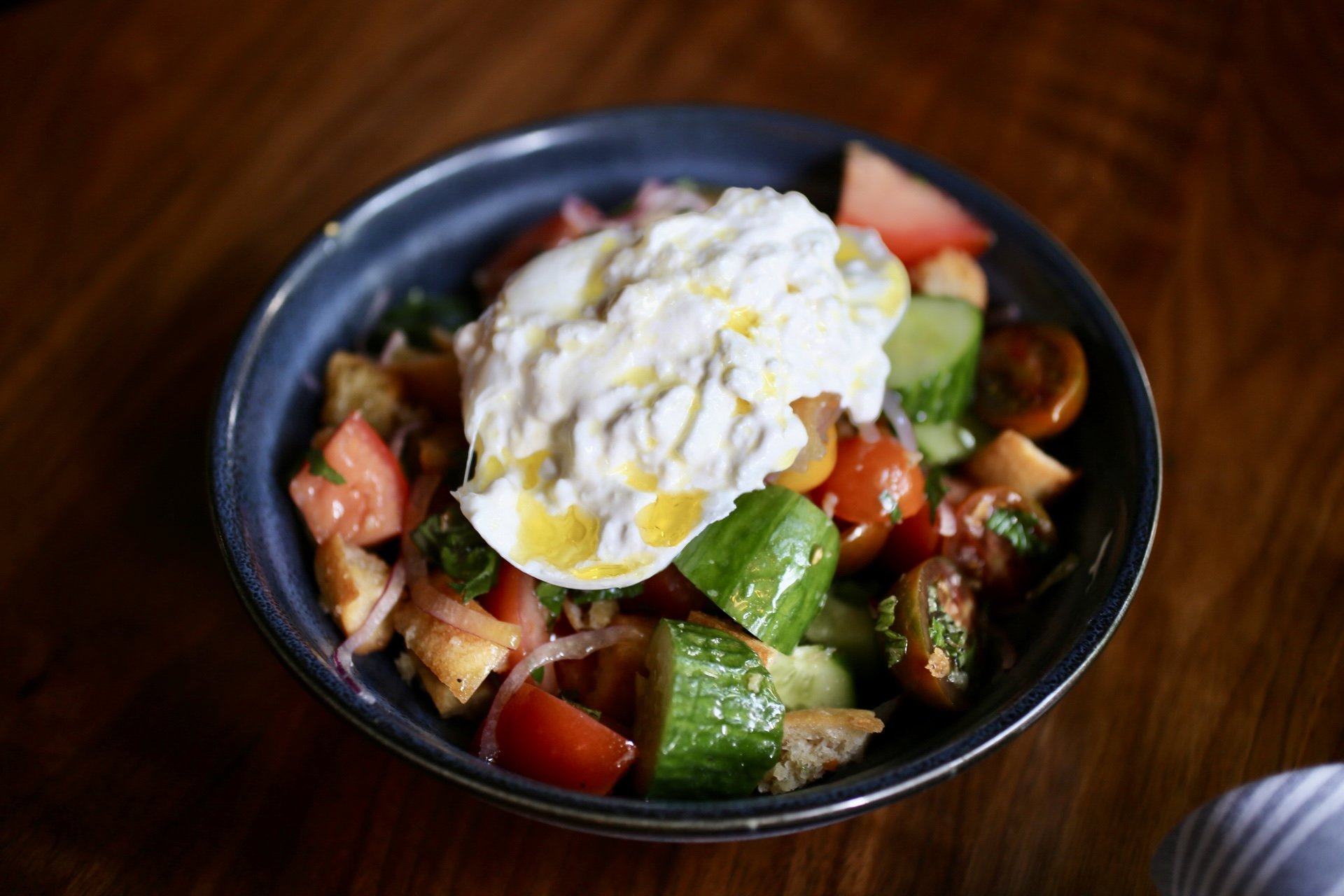
Burrata Panzanella
Celebrate the pending arrival of summer with our Burrata Panzanella.

We’re sharing the recipe for the newest addition to our spring menu: burrata panzanella! The secret to this dish is to use fresh on the vine tomatoes and a really good quality extra virgin olive oil. There’s minimal prep involved so the use of quality ingredients is what elevates the dish. For the burrata, we use a grass fed Burrata di Bufala from BUF Creamery. Buffalo milk imparts an extra rich creaminess versus using all cow’s milk. You can sometimes find Burrata di Bufala in specialty stores but otherwise your favorite brand of cow’s milk burrata will work too. Traditionally, panzanella is made with stale bread but I’m guessing most of us don’t have baguettes just lying around so this particular recipe is made with oven-baked croutons. If you’re gluten free, the salad is just as delicious without bread. And if you’re dairy-free or vegan, just skip the cheese.
INGREDIENTS (makes 1 large salad for 2)
1/2 cup extra virgin olive oil
1 small 8 inch ciabatta (the bigger holes in the ciabatta make for crunchy croutons but any artisan bread will work)
2 medium-sized on the vine tomatoes cut into bite sized quarters
Hand-full grape or cherry tomatoes sliced in half
1/4 thinly sliced red onions (use a mandolin or try to slice them as thinly as possible)
2 Persian cucumbers, slice in half and then in half circles about 1/2 inch thick
1/4 cup freshly torn basil
1/4 cup rough chopped parsley
kosher salt and freshly ground black pepper
1/4 cup red wine vinegar
1 ball burrata
Maldon Sea Salt for finishing
Make the Croutons: cut the ciabatta into 1 inch cubes. Heat oven to 375 degrees. Line a cookie sheet with foil or parchment. Add cubed bread, 1/4 cup + 2 tablespoons olive oil, salt, and pepper to bowl and mix until evenly coated. Pour dressed bread onto lined cookie sheet and bake for 10 minutes or until golden in preheated oven. Set aside when done.
In a mixing bowl combine the croutons, tomatoes, cucumbers and sliced red onion. Add the basil and parsley and toss to combine. Drizzle in the vinegar and remaining olive oil and toss the panzanella together. Taste and adjust the seasoning to your liking with flaky salt and black pepper. Arrange the panzanella in a serving bowl or platter. Place the burrata on top and tear it open. Drizzle some additional olive oil over the burrata and serve.

What’s new on our menu
See what’s new on our menu for spring
Book your reservations today!

What To Sip For Spring
Awaken your palate with our springtime wine picks.
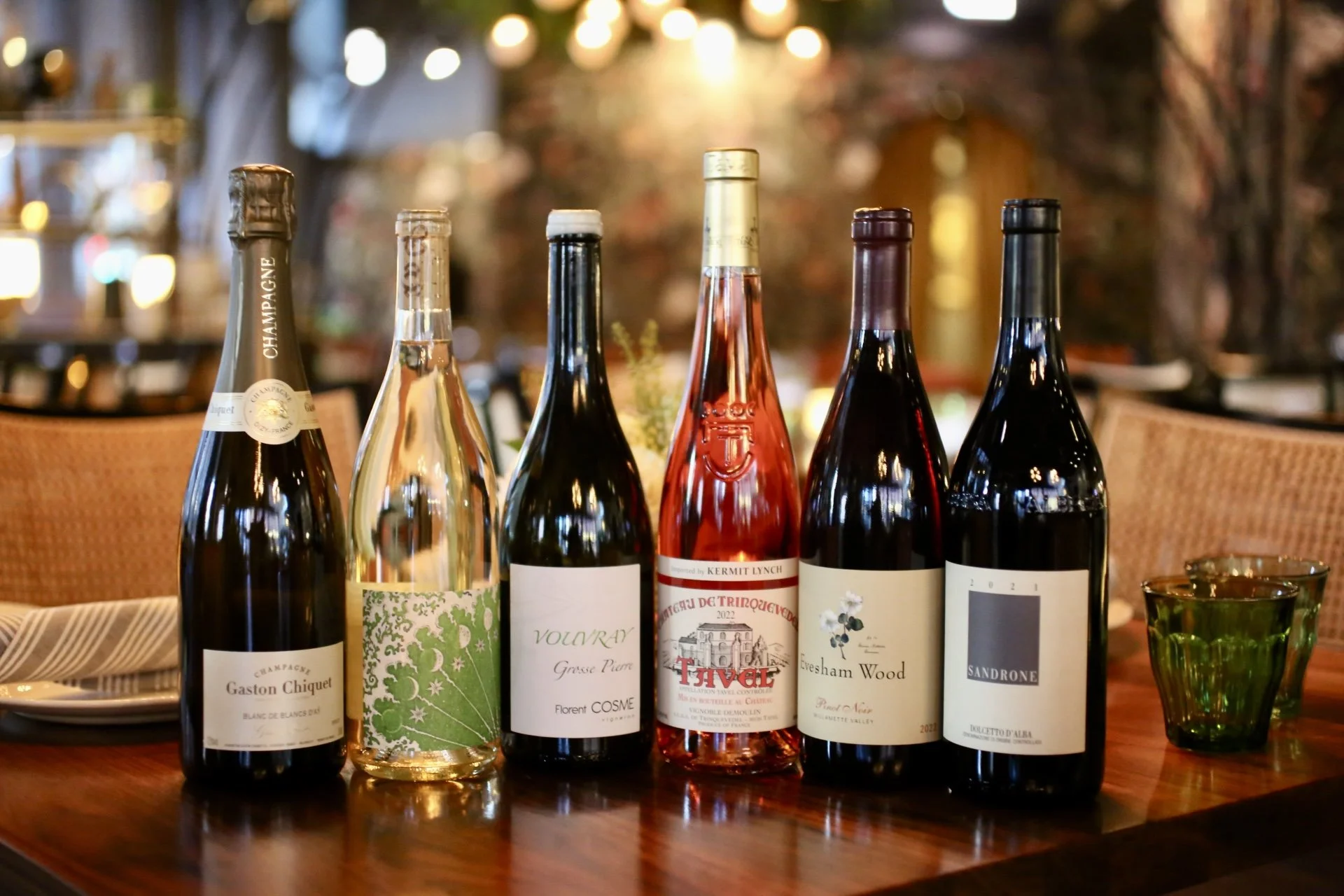
As the days grow longer and the temperature begins to rise, it’s time to transition from cozy winter reds to refreshing wines that perfectly complement the vibrant spirit of spring. Embrace the season with the following picks from our wine list that are sure to awaken your palate and brighten your spirits.
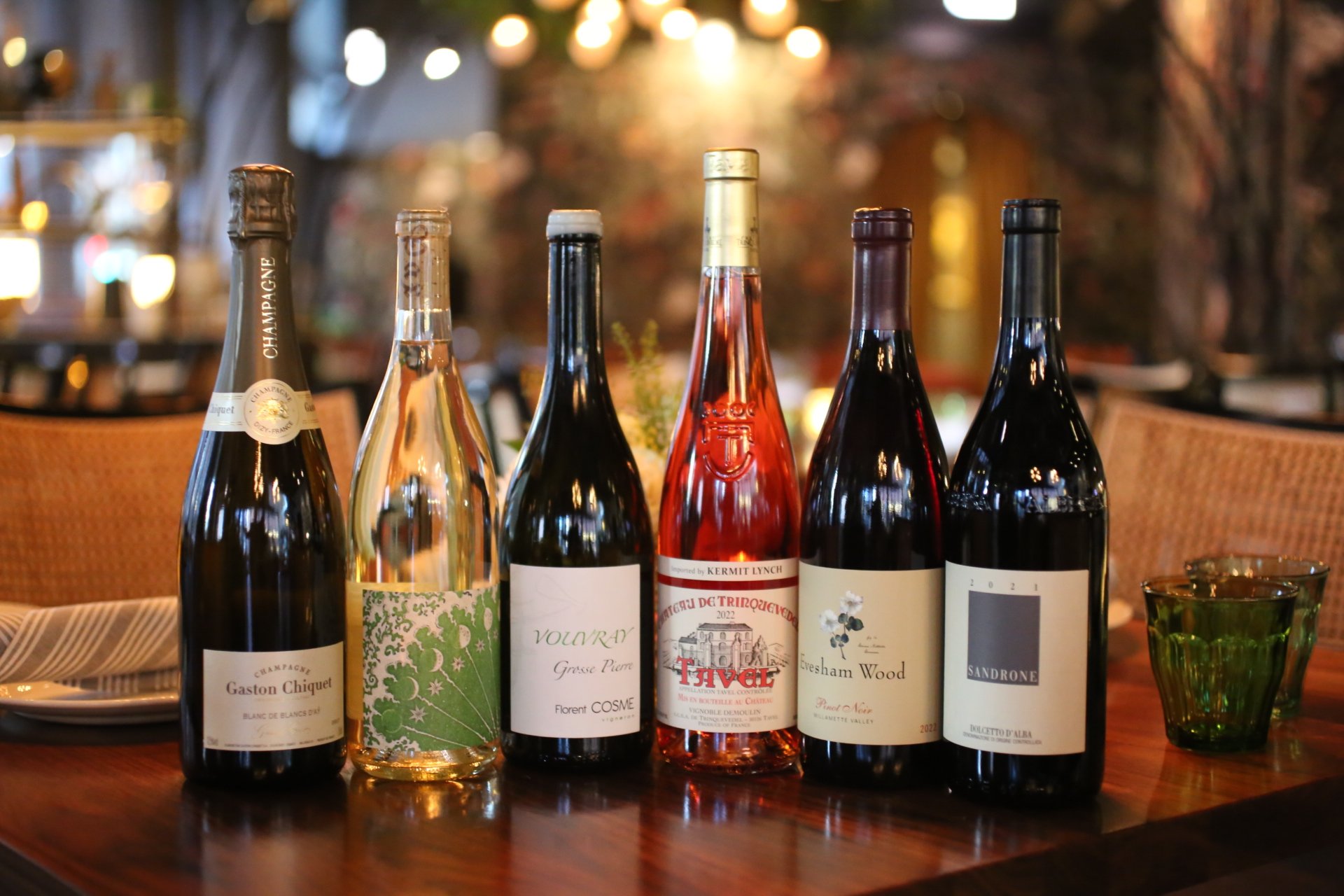
Gaston Chiquet Blanc de Blancs, Champagne, France: Spring is a time of significant celebrations including Easter, Mother’s Day and the start of wedding season and what better way to toast new beginnings than a delightful bottle of bubbly! 100% Chardonnay from the Grand Cru Village of Ay which is more typically known for Pinot Noir. Opening in the glass with scents of crisp yellow orchard fruit, white flowers, blanched almonds and fresh peaches. Best of all, the Blanc de Blancs, bottled as a NV is actually made from fruit from a single vintage making this an exceptional value.
Pax Mahle Vermentino 'The Bench' Clement Hills, California 2022: Spring menus often feature lighter and more delicate dishes, including fresh greens, seafood, and early vegetables like asparagus and peas. Vermentino is remarkably food friendly with the ability to complement a wide range of flavors from a spring brunch to evening appetizers.
Florent Cosme 'Grosse Pierre' Vouvray Sec, Loire Valley France 2022: Vouvray, hailing from the picturesque Loire Valley in France, is a versatile white wine made from Chenin Blanc. After the heavier wines and foods of winter, Vouvray’s bright acidity is a welcome change. It can invigorate the palate and is especially refreshing as the weather begins to warm, making it perfect for springtime sipping.
Chateau d'Trinquevedel Tavel Rose, France 2022: Rose is made from red grapes but with minimal skin contact during the winemaking process, giving it some characteristics of both red and white wines. This balance make it an excellent transitional wine for spring, suitable for both red and white wine drinkers looking for something to match the lighter fare and mood of the season.
Evansham Wood Pinot Noir, Willamette Valley, Oregon 2022: Pinot Noir, with its elegant structure and fruit profile is a quintessential choice for spring. Its light to medium body and nuanced flavors pairs well with season’s gentle warmth and emergence of tender fresh dishes including spring vegetables, grilled seafood and meats such as lamb and Easter ham.
Sandrone Dolcetto d'Alba, Piedmont 2021: Dolcetto is known for its fruity and sometimes floral notes, with flavors of black cherry, raspberry, and occasionally hints of violets. These bright, fresh flavors echo the freshness of springtime cuisine such as pasta primavera, salmon and even asparagus.
Spotlight on Women In Wine
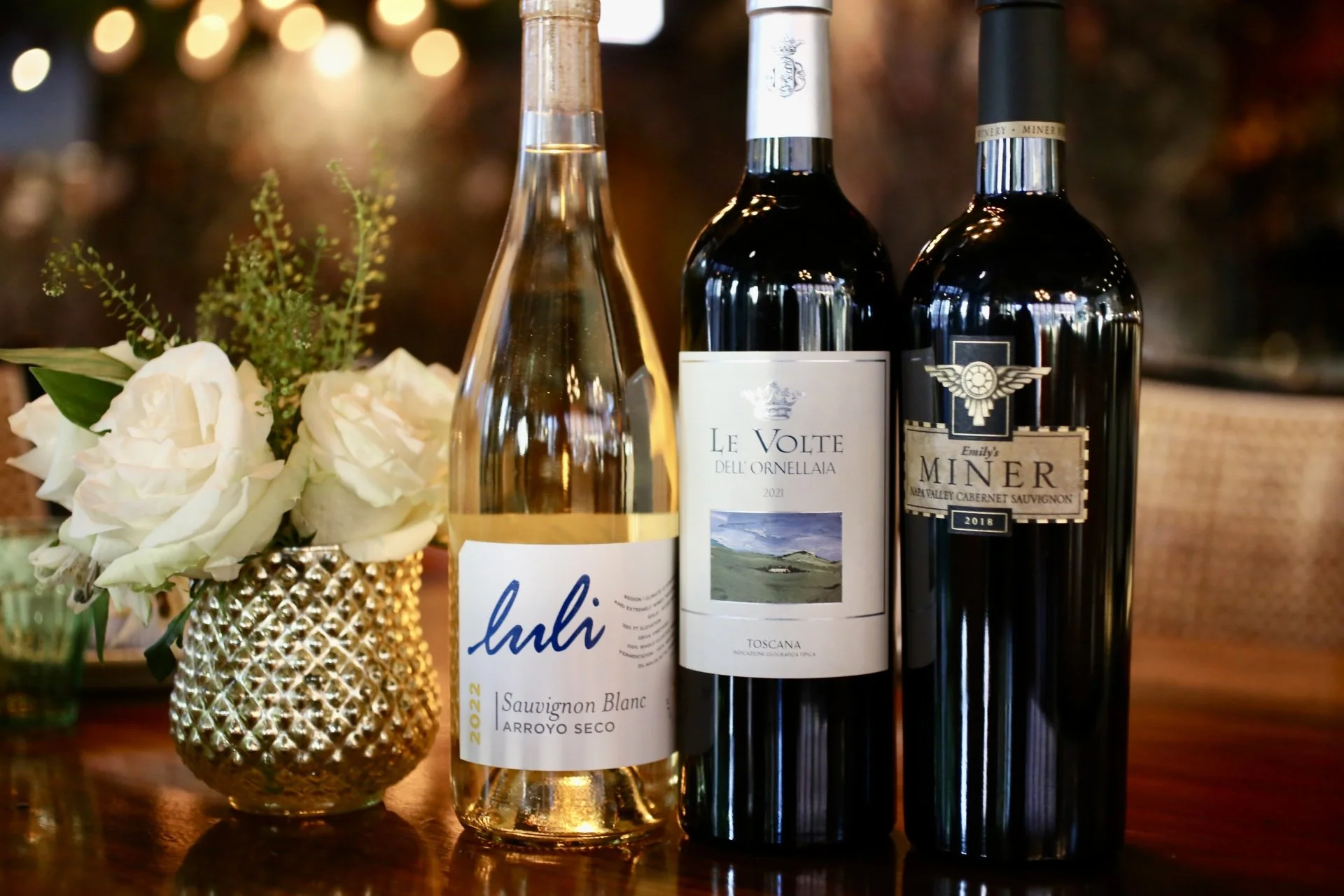
March is Women’s History Month and we’re celebrating with three featured pours all made by women.

Celebrate Women’s History Month with a curated selection of exceptional wines crafted by three talented female winemakers. This month, we showcase the artistry and innovation of women in the wine industry, presenting a collection that reflects their unique perspective and dedication. From a refreshing Sauvignon Blanc to a bold and rich Cabernet Sauvignon, each bottle tells a story of passion and expertise. Cheers to the extraordinary women who have shaped the world of wine, one exquisite bottle at a time.

Master Sommelier Sara Floyd
SARAH FLOYD - LULI SAUVIGNON BLANC, ARROYO SECO, CALIFORNIA 2022
My dear friend Sara Floyd has had a varied and colorful career in the wine business, launching her wine career working as an assistant to Larry Stone, the "dean" of American sommeliers, at Rubicon restaurant in San Francisco. Looking to make her own mark in the wine world, in 2001, Sara launched Swirl Wine Brokers in San Francisco. Her success as a business woman should be sufficient enough to establish her credibility. But in addition to all she has done, Sara Floyd is a Master Sommelier, the tenth woman in the world to have earned the title. Sara and I actually passed our Master Sommelier exams just minutes apart. In 2007 Sara and the Pisoni Family launched Luli Wines, specializing in high quality wines at a comfortable price point from the Santa Lucia Highlands. Luli produces Chardonnay, Pinot Noir, Sauvignon Blanc, Syrah, Cabernet Sauvignon, and Rose, with an annual production of fifteen thousand cases. In 2010 at the young age of forty, Sara and her husband Jim became parents to fraternal twin boys which along with co-running two companies keeps Sara on her tiptoes. We’re so excited to feature her Sauvignon Blanc!

Oenologist Olga Fusari
OLGA FUSARI - LE VOLTE DELL’ ORNELLAIA, TOSCANA ROSSO, ITALY 2021
Nestled in the prestigious Bolgheri appellation on Tuscany's coastal region, Ornellaia Winery stands tall as one of the most distinguished producers in the area. For the past 18 years, visionary winemaker Olga Fusari has been an integral part of Ornellaia's success. A graduate in Viticulture and Oenology from the esteemed University of Florence, Olga's passion for experimentation has sparked a fruitful collaboration between the university and the estate. Her risk-taking approach aligns perfectly with the Bolgheri philosophy, rooted in the Super Tuscan movement. Starting as an intern in 2005, Olga's dedication and talent have propelled her to become the driving force behind Ornellaia's exceptional wine production. In 2023, she was lured away from Ornellaia to oversee a new project by Ruffino. She’s definitely a woman in high demand!

Winemaker Michelle Shafrir
MICHELLE SHAFRIR - MINER ‘EMILY’S’ CABERNET SAUVIGNON, NAPA VALLEY 2018
Michelle Shafrir brings a strong background in science to her winemaking skills. She first earned a B.S. degree in Chemistry from the University of California, Berkeley, in 2005. After completing her master’s degree, Michelle returned to California and worked the 2010 harvest at Cuvaison Estate Wines in Calistoga. This internship was followed by one at Arista Winery in Healdsburg in 2011 and then a position as enologist at Hall and Walt Wines in St. Helena in early 2012. In 2017, Michelle was named assistant winemaker at Miner Family Winery and was promoted to winemaker in mid-2022. Prior to Michelle, Stacy Vogel served as head winemaker.
Emily’s is an eponymous wine made in remembrance of Emily Miner, co-founder of Miner Family Winery who lost her battle with lung cancer in 2011. As a tribute to Emily and to continue the fight against cancer, a portion of the proceeds of Emily's will go to their long-time partner, The V Foundation for Cancer Research.


Recipe: Cream Of Cauliflower Soup
Cream of Cauliflower Soup: a comforting classic that proves cauliflower can do it all. Try this easy 100% vegetarian recipe.

We recently featured this soup on our Restaurant Week menu and it was such a huge hit that we’ve decided to share the recipe. Once pureed, cauliflower provides its own level of creaminess so you can customize this recipe and make it on the lighter side with minimal cream or go all the way and make it super rich and decadent with all the cream.
1 head of cauliflower
1 small onion diced
1 leek, white parts only sliced thinly
4 cloves garlic chopped
1 tablespoon olive oil
3 tablespoons unsalted butter
2 teaspoons kosher salt (divided)
4-5 sprigs fresh thyme leaves minced (you can leave the stems if they are tender)
4 cups vegetable stock (see note)
1.5 cups heavy cream (see note)
NOTE: As mentioned in the introduction, you can adjust this soup to make it lighter or more decadent. For a lighter soup, use more veggie stock and less heavy cream and vice versa for a more luxurious soup. I have not tried this recipe with plant based milk such a coconut milk but you’re welcome to give it a go!
INSTRUCTIONS
Heat oven to 375 degrees. Cut/separate the cauliflower into florets. Place cauliflower on parchment lined baking sheet, drizzle with olive oil and sprinkle 1 teaspoon kosher salt. Rub the oil into the cauliflower so the salt and oil is evenly distributed. Roast in the oven for 15 minutes until cauliflower takes on a slightly brown color. Set aside.
Melt butter in a dutch oven or large sauce pan. Sautee onions and leeks until translucent (about 8-10 minutes) over medium heat. Add the garlic and sautee for 1 minute (don’t burn the garlic). Add the cauliflower, thyme leaves, vegetable stock and remaining salt. Bring to a boil, cover and simmer on low-medium heat for about 12-15 minutes until cauliflower is fork tender and falling apart. Add the cream and simmer for another 5-6 minutes. Remove pan from the heat.
Time to blend! The choice of blender really matters here. We use a Vita-Mix style blender at the restaurant to get the soup really silky. Transfer all the ingredients from the pan to a standing blender and puree until smooth and creamy. Add more vegetable stock or cream if the texture is too thick. Check seasonings and add more salt if needed. If you decide to use an immersion blender, the texture won’t be as smooth but the flavor will still be good.
READY TO SERVE: We garnish the soup with yuzu jam and chives but a drizzle of olive oil or a dollop of creme fraiche and or chives would be delicious as well.