

Alpana Restaurant · Gold Coast, Chicago
THE A-LIST
All Things Delicious
Recipes · Wine Notes · Cocktail Stories · Seasonal Obsessions
From Alpana Singh and the team at Alpana Restaurant · New issues bi-monthly

Spotlight on Australia
Spotlight on Australia: January’s Wine Region of the Month.

It’s summer down under! Introducing January’s Wine Region of the Month: The New Wines of Australia.
What comes to mind when you think of Australian wines? Cheap bottles of Shiraz? We have selected three wineries that will change your mind and prove Australia is more than just Two Buck Chuck. Australian wines have undergone a remarkable transformation in recent years with a shift towards smaller production wines from cooler climate areas such as Tasmania and Victoria. The combination of cool-climate regions and talented winemakers positions Australia as a compelling player in the global winescape and one worth re-discovering. You can try the following wines by the glass, bottle or try a luxury flight of all three.

Henschke ‘Peggy’s Hill’ Dry Riesling, Eden Valley 2022
The Henschke family’s grape growing and winemaking tradition spans six generations, from outstanding sustainable vineyards in Eden Valley, Barossa Valley and the Adelaide Hills. This Riesling takes its name from a local landmark, Peggy’s Hill and is produced from selected vineyards up to 50 years old. Eden Valley is regarded as one of Australia’s exemplary wine regions for producing world class, highly expressive, and long-lived Rieslings, a tradition left from German settlers. Vibrant aromas of white florals, almond blossom, lime, and white peach. The palate is rich and concentrated with ripe citrus, balanced by bright acidity.

Dalrymple pinot noir pipers river, tasmania 2022
Dalrymple Vineyards was established by Bertel and Anne Sundstrup in 1987 and is today considered one of Australia’s leading cool-climate producers. The vineyard’s easterly aspect, which overlooks the Bass Strait combined with the site’s red basalt soils and cool sea breezes, all combine to create a perfect equilibrium for growing premium Pinot Noir. Aromas of spiced rhubarb, sweet red cherries, Asian five spice and vanilla mingle with earthy notes. The palate is seductive with fleshy red and black cherries. Burgundy in Tasmania!

John duval ‘plexus‘ Rhone blend, Barossa Valley 2020
John Duval is one of Australia's most highly regarded winemakers. As Chief Winemaker and custodian of Australia's most famous wine, Grange, he was instrumental in establishing Penfolds as one of the world's great wineries. In 2003, John embarked on his own label, John Duval Wines, inspired by the best of the Barossa Valley's low-yielding, old vine vineyards. Plexus is a seamless blend of 3 varietals: Shiraz provides rich dark fruits and mid palate weight, Grenache delivers a bright flavor spectrum of red fruits and spiced notes and old vine Mourvèdre is integral to the blend, ensuring a good firm backbone of savory tannin and a long finish.

New Year, New Wines To Try
Check out our list of alternatives to five popular wines and expand your wine horizons.

When it comes to wine, we always recommend using your favorites as a springboard to try something new. Expanding your horizons is really the best way to increase your wine knowledge and to become a real expert. With a world full of vineyards, wineries and grape varieties, it can also be difficult to know where to begin but fear not - we have put together a list of new wines to try based on 5 of the most frequently ordered grape varieties. Another tip when dining out is to tell your server or sommelier what wines you normally enjoy - say a Napa Cab - and ask for a recommendation that is similar but new to you. In this particular example we would recommend a Cabernet Sauvignon or Malbec from Argentina. Here are some other suggestions.

If you love Brand Name Champagne try Grower Champagne
While we love the big brand name Champagnes, smaller producers known as Grower Champagnes offer a huge bang for your wine-drinking buck. Grower Champagne is a type of Champagne crafted by small, independent producers who grow their own grapes and make their own Champagne as opposed to Negociant Houses who purchase contracted fruit. One way to determine if the bottle you’re looking at is a Grower Champagne is to look for the initials RM on the label (here’s a primer on what different initials mean on a Champagne label). Grower Champagnes often lack the advertising budget of the bigger houses but what they lack in name recognition they more than make up for in quality. One of our favorites on our wine list at the moment is Chartogne-Taillet Saint-Anne (approximately $65 retail). A blend of 50% Pinot Noir, 40% Chardonnay, 10% Pinot Meunier from the villages of Merfy and Saint Thierry. Rich and creamy on the palate, with tons of resonance, the Cuvée Ste.-Anne is absolutely impeccable.

If you love Sancerre try a neighboring village
Sancerre has been the ‘IT’ wine for summer these last few years but villages surrounding Sancerre also produce equally as delicious Sauvignon Blancs. Reuilly, Quincy, Menetou-Salon are wine districts to the west of Sancerre producing wines of a very similar style to Sancerre but often at a fraction of the price. One of our most popular Sancerre alternatives is the Dyckerhoff Reuilly. Sourced from older vines grown on a greater percentage of limestone. This is a worthy alternative to Sancerre and only 15% of Reuilly wines are ever exported so it’s even more exclusive.

If you love Chardonnay try White Rhones
If you’re go-to is a mouth-filling Chardonnay give white Rhone varietals a try. While grapes like Viognier, Marsanne and Rousanne won’t have that same buttery richness as a Chardonnay, you’ll still get a white wine with plenty of weight on the palate. We recently added the Mallea white Grenache to our by the glass list and it’s been an easy transition for customers looking for an alternative to a French-style Chardonnay.

If you love Pinot Noir try another Low Tannin Reds
There’s nothing quite like a delicate Pinot Noir and while its characteristic perfumed nose is hard to replicate, you can style find similarly weighted wines that offer a lighter drinking experience. Try Gamay, Barbera, Grenache, Etna Rosso and even a lighter Nebbiolo from the Valtellina region of Italy. A staff favorite for guests looking for an alternative to Pinot Noir is Mencia from Spain. Mencia is a red wine grape grown primarily in northwestern Spain, particularly in the Bierzo region. It produces lighter-bodied wines with notes of red cherries and cranberries. Low tannins with a lip-smacking acid. It’s particularly delicious when served with a slight chill.

If you love Cotes du Rhone try GSM’s from Australia
Cotes du Rhone wines are a staple house pour for many wine lovers but France isn’t the only Rhone game in town. Rhone-style wines from Australia are colloquially known as GSM (Grenache, Shiraz and Mourvedre) and are made from the grapes originating from the Rhone but with a distinctive Australian flair. We find the latter to be more robust and bold with rich, mouth-filling fruit. The warm climate of regions like Barossa Valley and McLaren Vale allows for ripe fruit development, resulting in full-bodied reds that showcase both the intensity of the Australian terroir and the finesse of Rhone winemaking traditions. We’re currently featuring John Duval’s Plexus Rhone Blend from the Barossa along with JL Chave’s Cotes du Rhone by the glass. This gives you an interesting opportunity to try them side-by-side.

French 86 N/A Cocktail
Doing Dry January? Try our N/A French 86. It’s a refreshing non-alcoholic spin on a classic French 75.

Need a fun and festive cocktail to help get you through Dry January? Try our French 86 featuring Seedlip Garden, simple syrup, lemon juice and elderflower cordial. Seedlip Garden is a non-alcoholic spirit featuring an herbal blend of peas & traditional garden herbs including rosemary, thyme & spearmint. You can find it at most specialty liquor stores.
FRENCH 86
2 oz Seedlip Garden
1 oz elderflower cordial
1 oz lemon juice
1/2 oz simple syrup
club soda
Fill cocktail shaker with ice, add all the ingredients except club soda. Shake hard. Strain into a Champage flute, top with club soda. Garnish with lemon twist.
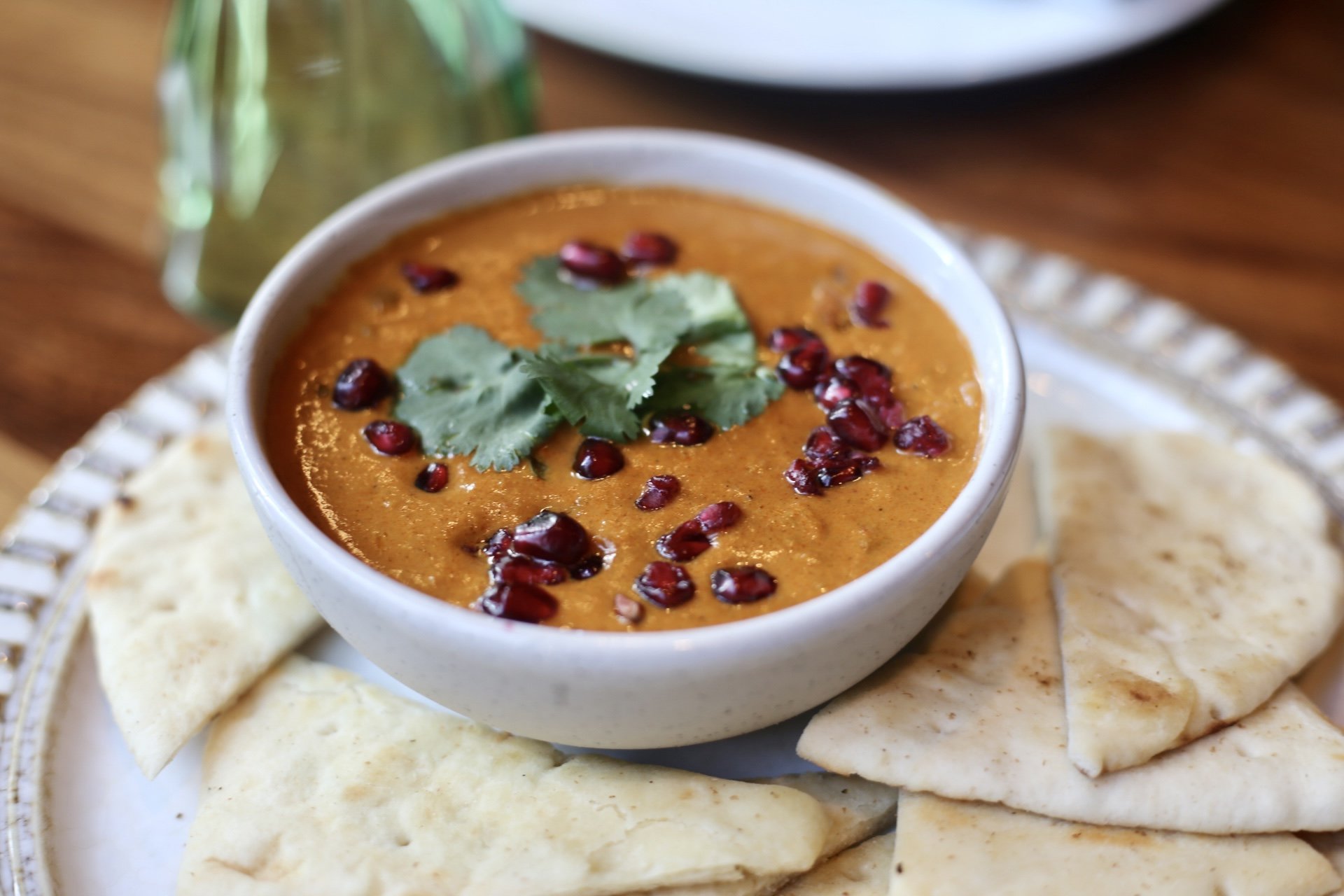
Make Our Butter Chicken Sauce
Love our Butter Chicken Meatballs? Here’s how to make the sauce at home.

Our Butter Chicken Meatballs
Butter Chicken is a rich and flavorful Indian dish that has gained international popularity. We offer our own twist on this beloved classic with our Butter Chicken Meatballs. The meatballs are terrific but the real star is the aromatic tomato-based gravy scented with a melange of South Asian spices. Prior to opening Alpana, I would make a batch of just the butter chicken sauce and keep it on hand in my refrigerator. Whether enjoyed with tender grilled chicken or as a vegetarian option with chickpeas and naan, it’s an easy go-to for a quick weeknight meal. You can also use your favorite meatball recipe and simmer it in the sauce for a replica of our Butter Chicken Meatballs. The options are endless!
Most of the spices called for in this recipe can be found at an upscale supermarket or you can order them online.

BUTTER CHICKEN SAUCE
1/2 stick unsalted butter
1 tablespoon vegetable oil
1 small onion minced fine
1 tablespoon sweet paprika (not smoked)
2 teaspoon ground cumin
1 tablespoon grated ginger
1 tablespoon grated garlic
1 teaspoon garam masala
1 teaspoon turmeric powder
1 serrano or jalapeno pepper minced
1 small can tomato paste (6 oz)
1 cup water, chicken or vegetable stock
1 cup heavy cream (add more if you like it richer)*
1 teaspoon salt
1 tablespoon sugar
INSTRUCTIONS
Melt the butter and oil in large saucepan over medium heat. Add onion, garlic, ginger, and serrano and cook, stirring frequently, until mixture is softened and onion begins to caramelize slightly, 8 to 10 minutes. Add the cumin, garam masala, paprika, turmeric and cook, stirring frequently, until fragrant, about 1 minute. Add water or stock and tomato paste and whisk until no lumps of tomato paste remain. Add sugar and salt and bring to boil. Reduce heat, cover and simmer for 10 minutes, stirring every 2-3 minutes to make sure the sauce doesn’t stick to the bottom of the pan. Add the heavy cream and stir until well combined. Add more cream if you like it richer. Add more salt if desired. Remove from the heat. Sauce can be frozen or refrigerated for up to 7 days; gently reheat sauce before adding hot protein or vegetables of choice.
VEGAN AND DAIRY FREE
Plant-based butter and coconut milk can be used in place of the butter and cream. Just be sure to use canned coconut milk and not the stuff that comes in cartons. The coconut milk will change the flavor slightly by giving it a coconut flavor but it’s still very tasty!
ORIGINS OF BUTTER CHICKEN or MURGH MAKHANI — pronounced moorg muk-kaw-knee
Also known as Murgh Makhani (Murgh is Punjabi for chicken and Makhani is butter), this beloved dish is often confused with Chicken Tikka Masala but is equally as delicious. Butter chicken was “invented” in the 1950’s by Kundan Lal Gurjal who operated a restaurant in Delhi called Moti Mahal, which is still in existence today. Kundan had settled here and started his business after fleeing the violence and upheaval caused by partition. The curry was made "by accident" after mixing leftover tandoori chicken in a sauce made from tomatoes, heavy cream and you guessed it — lots of butter.

Make our Hugo 75
Add a festive flair to your holiday gatherings with our Hugo 75.
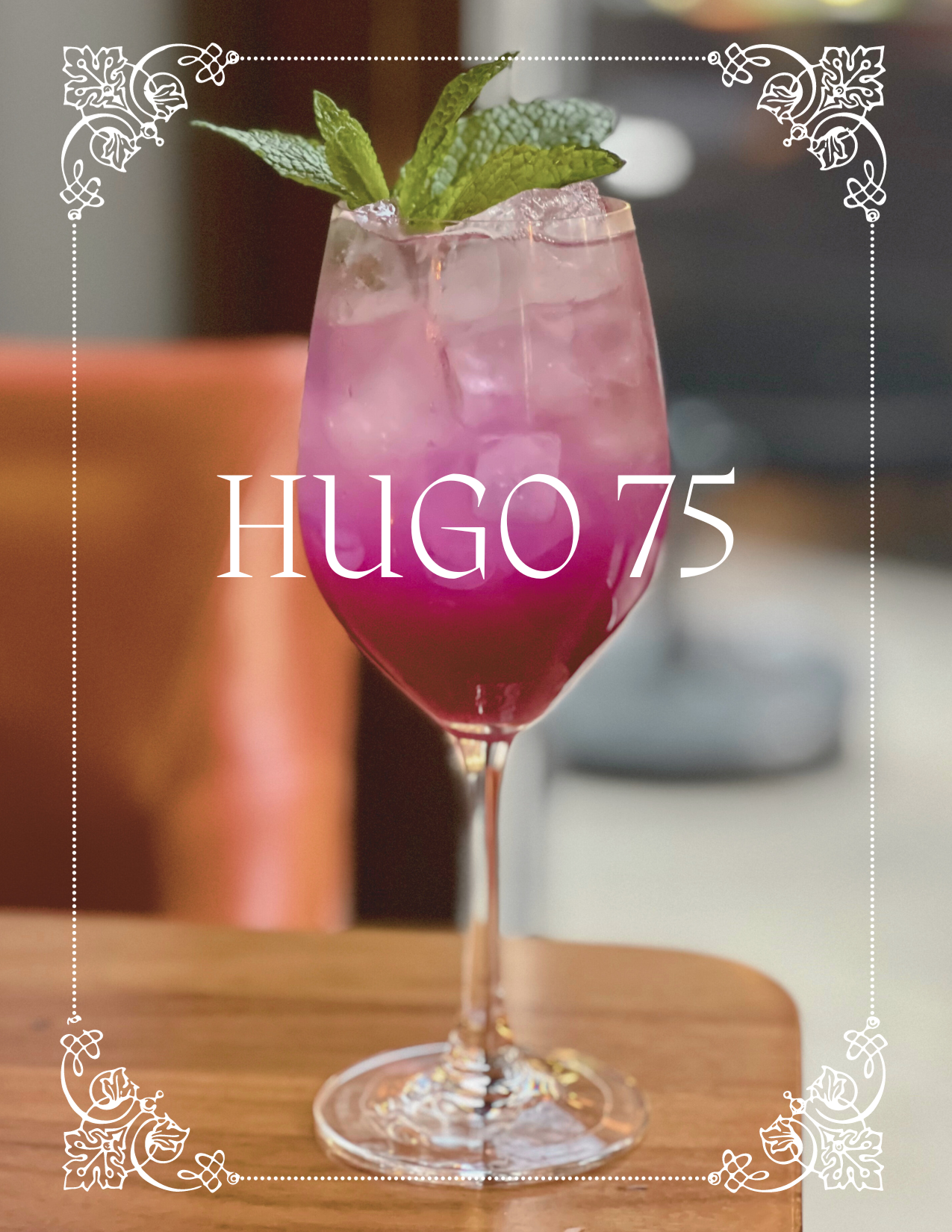
The Hugo 75 features all the elements of a Hugo Spritz and kicks things up a notch with the addition of pea flower infused gin. The beautiful lavender color will add a festive touch to your holiday gatherings. To make the pea flower gin, simply add 1 tablespoon of pea flower to 1 cup of your favorite gin and steep for 30 minutes, strain and it’s ready to use. You can also use Empress 1908 Indigo Gin.
HUGO 75 RECIPE
1.5 oz Pea Flower Infused Gin
3/4 oz St. Germain or Elderflower Liqueur
1/2 oz simple syrup
3/4 oz fresh lime juice
Prosecco or Dry Sparkling Wine
Fresh Mint for Garnish
Combine gin, elderflower liqueur, simple syrup and lime juice in cocktail shaker filled with ice. Strain into wine glass or Champagne flute filled with ice. Top with Prosecco, garnish with mint leaves - enjoy!

Thanksgiving Supermarket Wine Guide
Our best bets for Thanksgiving wines that can be found at most major supermarkets and grocery stores.

With so many different foods on the table — from sweet to savory — Thanksgiving can be especially challenging when it comes to choosing the right wines. Adding to the frustration are time-crunched shoppers who may not have a chance to visit a wine shop. To help ease the burden, I offer you my best bets for Thanksgiving that can be found at most major supermarkets. Also, be sure to check out Sarah Traynor-Price’s article on how to pair wine with holiday fare like a pro.

SPARKLING & CHAMPAGNE
Segura Viudas Cava, Spain $10: this has long been my go-to bottle for entertaining larger crowds. It’s zesty and bubbly with green apple notes. The price point makes it suitable for making bellinis and mimosas.
Gruet Sparkling Wine, New Mexico $15: along with Segura Viudas, this is my other go-to for budget sparklers. You simply cannot find a better domestic sparkler for the money. Gruet makes a range of styles from white to sparkling rose. They are all amazing deals for the money.
Lucien Albrecht Cremant d’Alsace $22: the sparkling wine selection at most grocery stores are either super pricey splurges or undrinkable plonk. It’s hard to find something in the middle and this one does the trick if you’re looking for a Champagne alternative. Dominated by Pinot Blanc and made using the Methode Champenoise.
WHITE WINE & ROSE
Justin Sauvignon Blanc, Paso Robles $15: I firmly believe you can’t go wrong with Sauvignon Blanc. It carries the day for everything from appetizers to the main course. Grassy, clean and dry with zippy lemon peel flavors.
Dr. Loosen ‘L’ Riesling, Germany $14: Chances are you have someone in your family who prefers a sweeter wine and they are going to love the green apple and honey notes on this Riesling. I also find that Riesling is the perfect wine to pair with Thanksgiving food since it plays well with both sweet and savory dishes.
Field Recordings Chenin Blanc, California $17: I love Chenin Blanc with turkey! The sweet tart green apple notes provides a delicious foil for the savory notes in turkey while complimenting the sweet cranberry sauce. This is a classic pairing!
Argiolas ‘Costamolino’ Vermentino, Sardinia $16: This is a delicious Mediterranean white wine that I recommend to Pinot Grigio fans. Crisp, light-bodied and refreshing, it pairs well with guacamole, hummus and other appetizer dips and starter trays.
Raeburn Chardonnay, Sonoma County $15: This buttery and oaky Chardonnay will satisfy your hardcore Napa Chard lovers. 100% of the fruit is barrel fermented and aged sur lie for 9 months in a duo of French and Hungarian oak (50% new).
Figuiere Mediterranee Rose, France $16: Just because it’s the middle of November doesn’t mean we can’t drink rose. In fact, I can’t think of a better wine to transition from appetizers to the main event.
RED WINES
Louis Jadot Beaujolais, France $16: This is often on every wine critics list for last minute best bets for Thanksgiving grocery store pairings. Gamay is ligher in body similar to a Pinot Noir so it will pair well with a variety of Thanksgiving dishes. Not to be confused with Beaujolais Nouveau which is much more fruity and fresh. Pro tip: Chill your bottle before serving to enhance the fruit and make it more refreshing.
Au Bon Climat Pinot Noir, Santa Barbara $24 : The late Jim Clendenen was one of my wine heroes. He was one of the pioneering forces in Santa Barbara wine country and the winery continues to produce wines of excellent quality. Classic Pinot Noir fruit with notes of black cherries, cola spice and violets. Delicious wine for the money.
Vietti Barbera d’Asti, Piedmont, Italy $18 : Soft easy drinking red from Piedmont. Lighter bodied in style with notes of tart black plums and red cherries. Enjoy with cheese and charcuterie or vegetarian fare.
Saint-Cosme Cotes du Rhone, France $17: This Grenache-based red is a delicious pairing for turkey and all the trimmings. Bonus points if you do smoked turkey. Aromas of red fruits, dried Provencale herbs and ground pepper.
CVNE ‘Crianza’ Rioja, Spain $14: Here’s another easy-drinking red that will pair well with a variety of dishes. Spends about 1 year in American oak so you get a good balance of red fruit notes with some dried dill and vanilla notes.
Zuccardi ‘Serie A’ Malbec, Valle de Uco, Mendoza, Argentina $15: There are lot of Malbecs on the market at this price point and quality and depth of flavor can vary with each producer. The Zuccardi Family has been making wine in Argentina since the 1960’s and they are known for producing wines of exceptional quality at all price point levels. Classic Malbec notes of dark plums, violets, cocoa powder and mocha.
Seghesio Zinfandel, Sonoma $23: Thanksgiving is decidedly an American holiday and you can’t get more American than Zinfandel. In fact, Zinfandel is rarely if ever encountered outside of the United States. Ripe bold flavors of raisins, raspberry jam, ripe figs and baking spices.
Clos de los Siete ‘C7’ Valle de Uco, Mendoza, Argentina $20: a rich, full-bodied red made by the legendary Michel Rolland. Michel discovered a special plot of land in Argentina, located at the foot of the Andes Mountains in the Uco Valley. With six other friends, Michel created the vineyard of 7, Clos de los Siete. Made from a blend of 50% Malbec, 24% Merlot, 11% Syrah, 7% Cabernet Sauvignon, 5% Cabernet Franc, 3% Petit Verdot.
Decoy Cabernet Sauvignon, California $20: this is a second label from the highly regarded Duckhorn Vineyards. The winery created Decoy as a more affordable entry level wine. Aromas of black cherry, blackberry, mocha, savory blueberry and sweet baking spices.
All wines were sourced from Whole Foods Market at 1 W Chicago. The selection and pricing at your local supermarket may vary. You can also try Drizly or Binny’s.
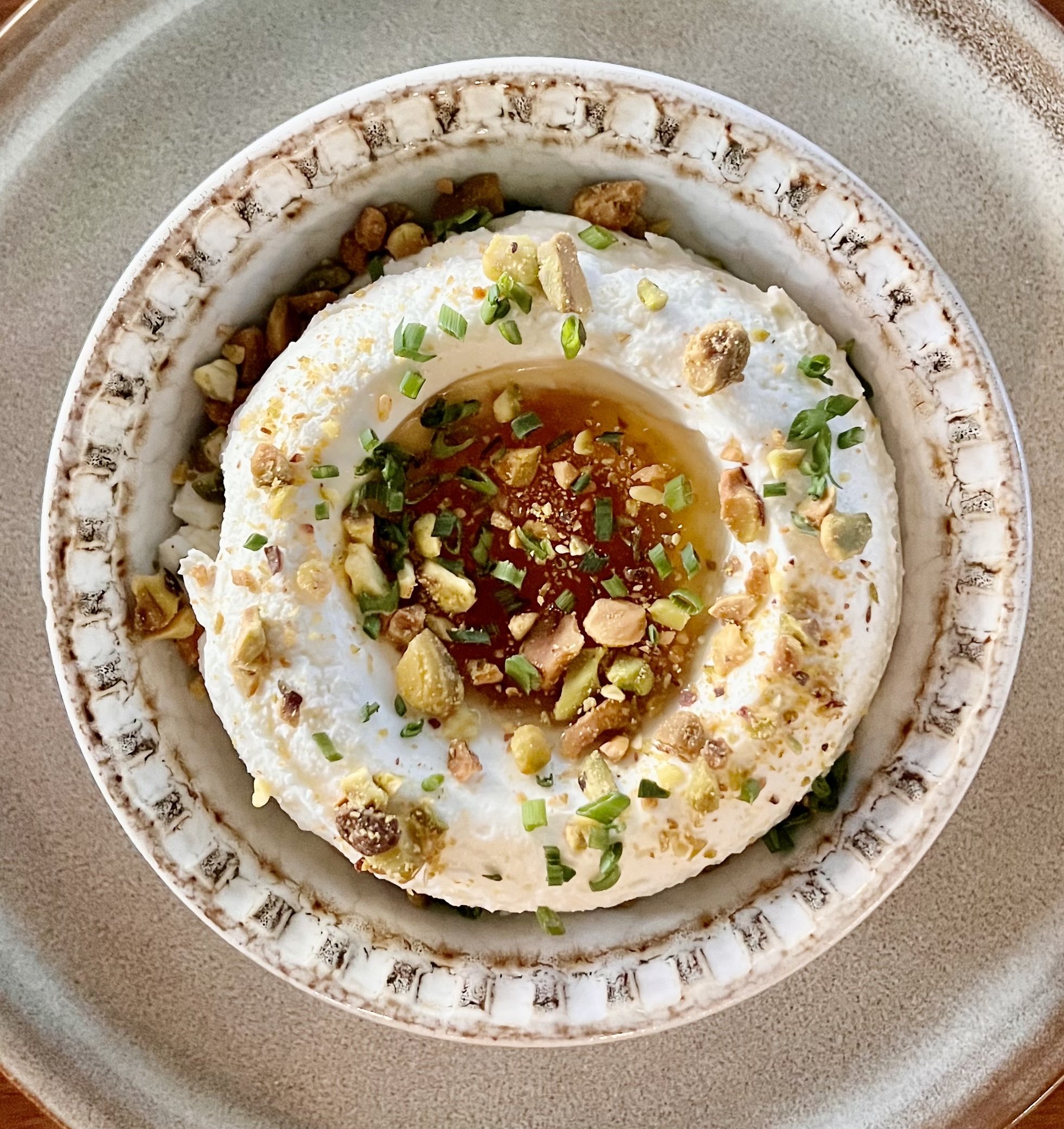
Whipped Feta recipe
Elevate your appetizer game with our easy-to-make whipped feta. No cooking required!

Here’s how to make our Whipped Feta appetizer. Made with just a few ingredients with no cooking required, it’s a fast and easy recipe that will enhance any appetizer table. It also makes a really good sandwich spread. We finish the dish with truffle honey but if you can’t find truffle paste, hot honey or plain old honey will be as equally as delicious.
WHIPPED FETA RECIPE (Makes 16 oz)
8 oz feta block or crumbles (room temperature)
8 oz block cream cheese (room temperature)
1 tsp minced garlic
2 tablespoons extra virgin olive oil
crushed pistachios and chopped chives (optional)
In a food processor, combine feta, cream cheese, olive oil and garlic. Process until light and fluffy. Scoop into a bowl. Make a well in the center and drizzle truffle honey*. Finish with crushed pistachios and chives. Serve with toasted bread, crackers, veggies or pita. Recipe can be halved or doubled.
*Truffle Honey: combine 1/4 cup honey with 1/2 tsp truffle paste or you can try this store-bought version.

Natural Selections
Sommelier Nicole Ramirez gives us the scoop on all things Natural Wine.

You’ve likely seen the rise of wine shops, wine clubs and bars dedicated strictly to natural wines. You’re curious to try them but what exactly is a “Natural Wine”? After all, aren’t all wines natural? With terms like glou glou, natty, raw and lo-fi, natural wines can be somewhat intimidating and it’s difficult to know where to begin. Here is my breakdown of what constitutes a natural wine and key words to know to help you navigate this brave new world of wines. I’ve also listed five wines to try if you’re a Natural Wine Newbie.
My personal definition of Natural Wine:
Naked wine. While there is no universally accepted definition of natural wine, it is generally agreed to be wine that is farmed organically (biodynamically or using organic farming methods or the like) and made without adding or removing anything in the cellar. No additives or processing aids are used, and ‘intervention’ in the naturally occurring fermentation process is kept to a minimum. As such neither fining nor filtration are used. Minimal or zero use of sulphur in the vineyard or wine cellar. The result is a living wine – wholesome and full of naturally occurring microbiology. Just nature and grapes vibing. Natural wine is not necessarily made with a taste profile in mind, but rather with winemaking practices front and center. So you are more likely to get a bottle with some sediment inside, or some wines that have that natural “funk” to the them. Don’t be surprised if the wine is hazy or cloudy or if the flavor is “sour” and “tangy”. This is part of the fun and experience of Natural Wines - you never know what you’re going to get.
Additional Natural Wine Terms
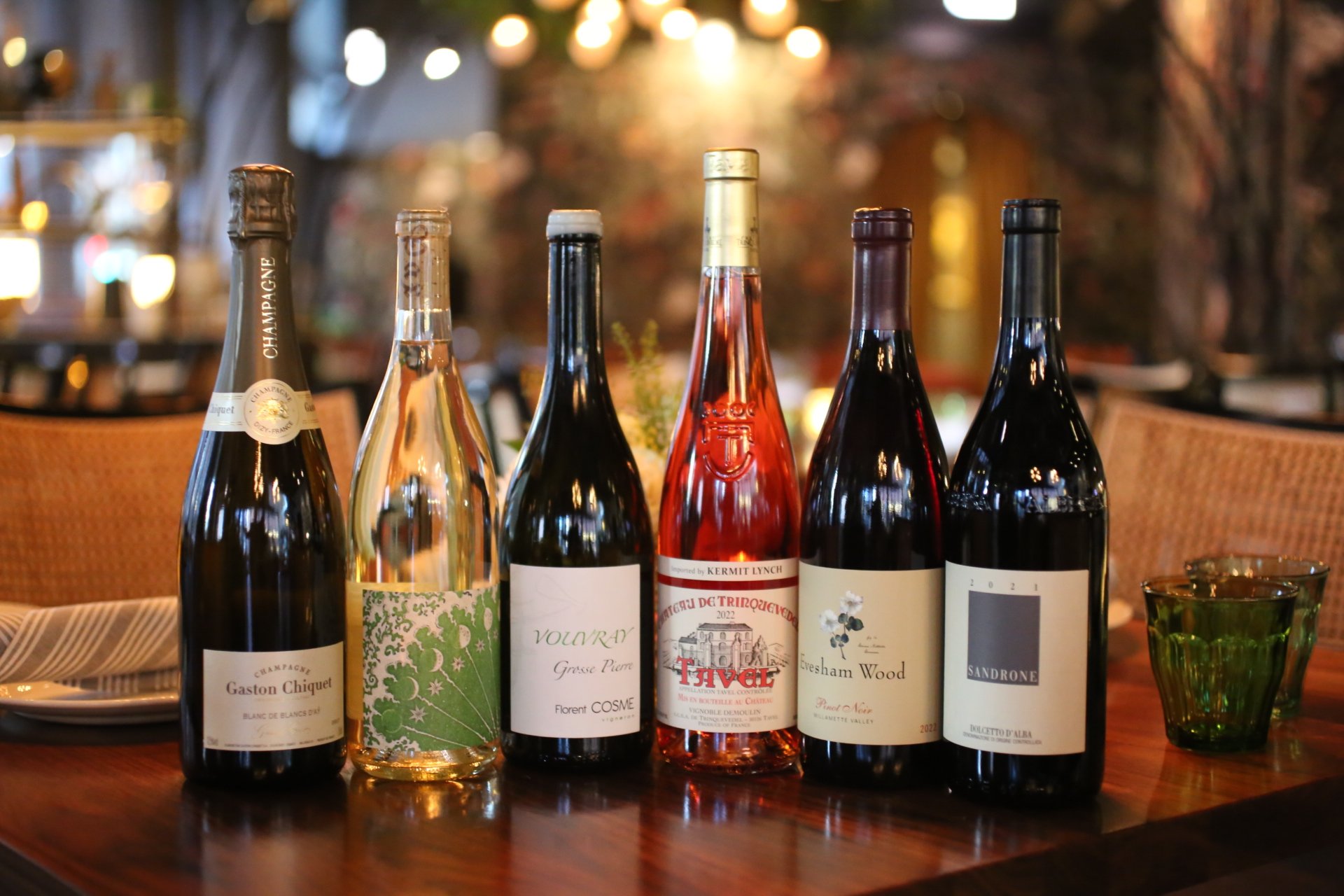
ZERO/ZERO: As a sub-section of natural wine, zero-zero commonly refers to two styles of winemaking. The first is specific to wines made with the addition of zero sulfur (a commonly used preservative) and zero commercial yeast. The second is a broader reference for wines where nothing is added or removed during the winemaking process that is not naturally present in the wine. This means
GLOU GLOU/ VIN DI SOIF: Glou-Glou literally means glug-glug in English and vin de soif means it’s a wine for someone that’s thirsty. Both allude to a style of wine that is refreshing, juicy and crushable. Glou-glou wines generally have medium-to-high acidity, but a relatively low alcohol percentage (somewhere between 10 and 12 percent ABV). As the name implies, glou-glou wines are meant to be poured, not stored. While glou-glou can be enjoyed in a variety of different ways, the important thing is to drink them with a slight chill and young. But bear in mind that not all natural wines can be described as glou glou.
PET-NAT/PETILLANT NATURAL: Pét-nat wines are sparkling wines that are often capped with a beer topper. They have a slight sparkle to them and differ from Champagne in that they are bottled before the first fermentation is complete. Pet-Nats will often have sediment or appear hazy from the left over yeast that settles at the bottom of the bottle.
SULPHUR/SULPHITES: a naturally occurring chemical compound that is found in all wines. Some winemakers choose to add additional sulfites in order to stabilize the flavor of wine and maintain consistency over years when bottles sit on shelves or in cellars. There is a hotly contested debate amongst natural wine enthusiasts of whether a true natural wine should include the use of sulphur.
NATIVE YEASTS: Native yeast: yeast that occurs naturally in the winemaking environment, rather than using added yeast that is not native to the soil to complete fermentation. Using native yeast means the wine will express more of the terroir or soil from which the grapes are grown, in its taste.
BIODYNAMIC: The official definition of biodynamic farming according to the Biodynamic Farming and Gardening Association is “a spiritual-ethical-ecological approach to agriculture, gardens, food production and nutrition.” Biodynamic wine is made using a set of practices first introduced in the 1920’s by a philosopher named Rudolph Steiner. He views agriculture as one living, breathing entity, from the soil, to the animals on the grounds and even the lunar cycles.
ORGANIC: The United States and the EU have different restrictions on what can be considered organic or not. wine produced without added chemicals, such as pesticides and herbicides, or even sulfur. In the EU, wines with added sulfur are considered organic, but the US considers any wine with added sulfur to be non-organic. Not all organic wine is necessarily natural, but all natural wines are made with organically or biodynamically grown grapes. Natural wine can contain no or low sulfites (10-100 parts per million versus the 350 ppm allowed) to preserve the product, preventing oxidation, as it's bottled.
RAW WINE: Another name for Natural Wine
AMPHORA: A large clay vessel used in the fermentation and ageing of wine. Called by different names, Qvevri in Georgia, Anfora in Italy, Tinaja in Spain, Talha in Portugal, or Karas in Armenia, this is an old-world method revived by natural wine’s interest in preserving traditional methods. In fermentation, the clay of the amphora preserves the grape variety’s flavors and aromas that can create complex wines full of fruitiness and primary aromas. The clay also is able to hold temperature very well, creating a stable environment for the wine to slowly ferment without extra refrigeration or cooling apparatus.
UNFILTERED/UNFINED: Unfiltered wine does not go through a process of filtration or fining to remove leftover, often unwanted particles to clarify the final product. Some commonly used fining agents (that react with particles to create a removable compound) used in this separation are gelatine, egg white and isinglass, so removing this step means that more of these wines are vegan.
ORANGE WINE: Orange Wines are essentially white wines, made using the grape skins as well as the juice. By macerating the wine juice with the skins during and even after fermentation (which is not done when making white wine) the tannins, flavour and colour structure of the wine changes.


FIVE TO TRY
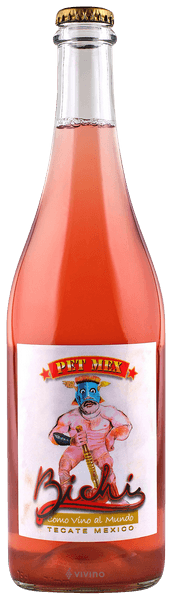
Bichi Pet-Mex, Tecate, Baja, Mexico 2022 (Sparkling Rose)
Pet Mex comes from a single, dry-farmed, and own-rooted 69-year-old vineyard comprised of a mysterious grape variety that remains unidentified. The vines are planted close to the Pacific Ocean in the area of San Antonio de las Minas in Ensenada, Baja. The grapes are hand-harvested, de-stemmed, and pressed after a few hours on the skins. Fermentation is with wild yeasts, and the wine is bottled before fermentation is finished, where the wine went through secondary fermentation, a la metodo ancestral. The result is a fresh and vibrant sparkling rosado, a perfect vin de soif to knock down on a hot day. No filtration or added SO2.
Clos de Guarans ‘Les Someres Vi-Blanc’ Catalunya, Spain 2021 (white)
A blend of Subirat Parent, Xarel-lo Vermell, Malvasia de Sitges and Vinyater. The name Clos dels Guarans is an homage to the Guarà, the storied Catalan breed of donkey that was immensely influential in the development of European agriculture over the course of the last millenium. Clos dels Guarans is a member of AFRAC, an organization dedicated to the protection and repopulation of these noble animals. The wine has low alcohol and high acidity but with more character than you expect given the low ripeness of the grapes. It's clean and tasty, refreshing and easy to drink, with a natural twist.
Movia 'Rebula' Ribolla Gialla, Brda, Slovenia 2019 (orange)
Located in the village of Ceglo in the heart of the Brda appellation, literally a stone’s throw from the Italian border, Movia is widely put the Slovenia on the map of the world’s great wine regions in the late 1990's. The current generation of Movia is led by winemaker Aleš Kristančič who is as renowned for his passionate embrace of organic and biodynamic farming practices as he is for his larger-than-life personality and ingenious approach to winemaking. Movia Ribolla has an inviting golden to amber color, which speaks of longer skin contact and 18 months aging in barrique. Nose is amazingly rich for Ribolla, with gooseberries and blackcurrants dominating. Very dry, medium bodied with touch of tannins and salty savoury character.
Pax Mahle Mission Grape 'Somers Vineyard' Lodi, California 2021 (dark rose)
These Mission grapes (the variety is also called Paíz) were planted in the early 1900s. According to Pax, many of the vine trunks are over six feet tall. This 120 year-old site is dry-farmed, and organically. Savory and spicy on the nose this light red adds copious floral and fruity notes on the palate that mix with hints of pepper and umami to make for a deliciously quaffable red that has just enough crunchy tannin to keep everything in check.
Domaine Mosse ‘Bangarang’ Rouge Loire Valley 2022 (red wine)
Agnès and René Mosse, along with their sons Joseph and Sylvestre, live and work in the village of St-Lambert-du-Lattay, a village in the Coteaux-du-Layon area of Anjou. They started making wines in 2014 and focus on indigenous Loire varietals such as Cabernet Franc, Grolleau and Chenin. They actually ripped out all of their Cabernet Sauvignon vines upon purchasing the property. The Rouge blend changes every year and for 2022 we have a mix of 50% Pineau d'Aunis, 30% Grolleau, 20% Sauvignon. It's also 100% light and lovely showing a very bright candy red color and subtle aromas of raspberry, cherry, violet, citrus and earth. The palate is remarkably refreshing with earthy berry fruits, mineral flavors and crisp acidity - serve very cool with any casual meal, just delicious!
Additional Reading & Sources
The World of Natural Wine: What It Is, Who Makes It, and Why It Matters (Book)
Perman Wine Selections, Chicago (local wine shop to source natural wines)
Mysa Natural Wine (online wine shop, wine club and resource)
Seasons Pairings
Sarah Traynor-Price shares her tips on how to pair wines with Holiday fare like a pro.

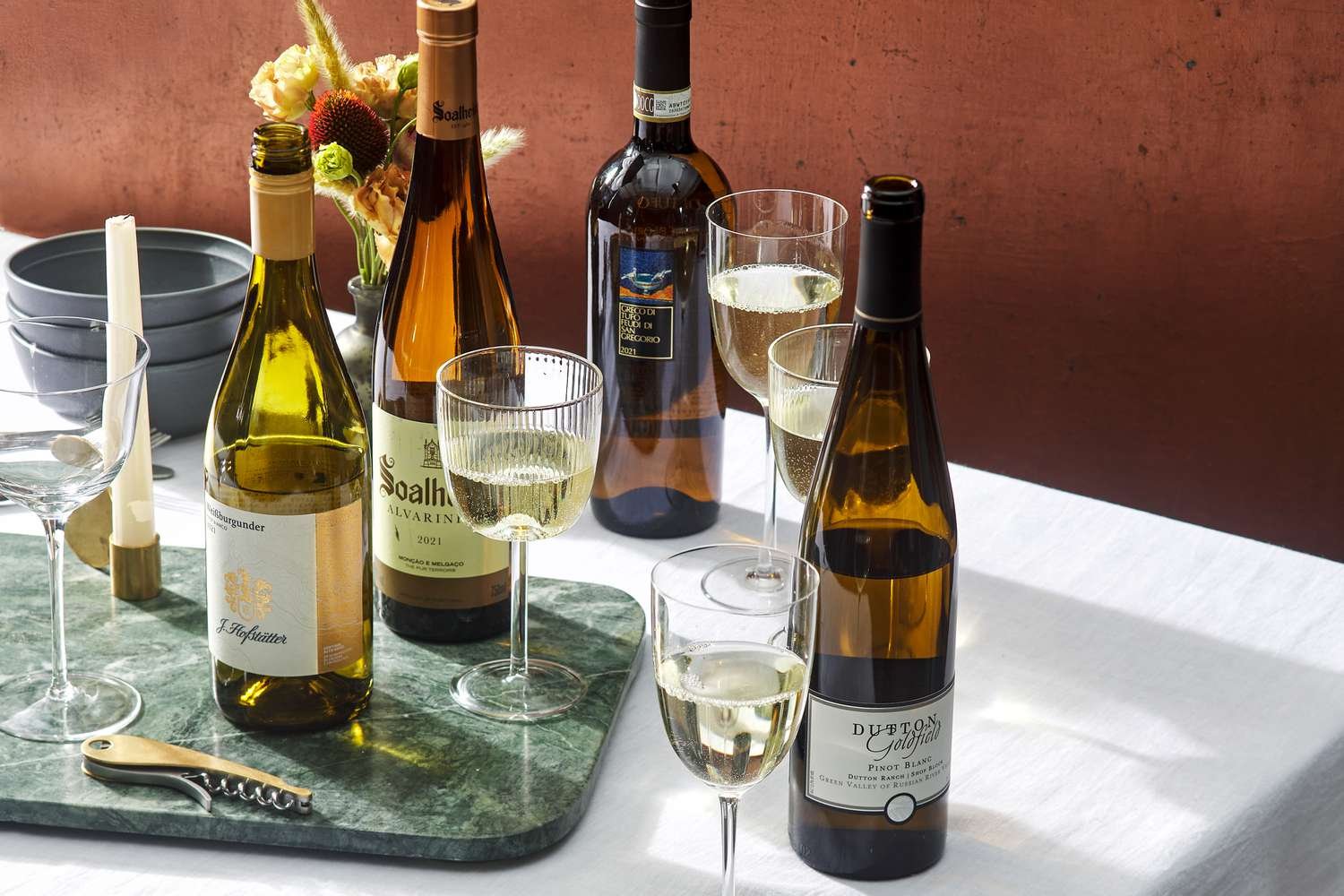
Getting ready for the holidays can be stressful. Pairing wines for your dinner or event with your friends and family doesn’t have to be. Here are some of the basics (do’s and don’ts) that somms apply so you too can pair wines with holiday fare like a pro.
MATCH TEXTURE WITH TEXTURE
This is simple at its core. Light wines with light fair (chilled seafood with white wines like Sauvignon Blanc or Albarino) or big wines with heavier dishes (Cabernet Sauvignon with steaks). Holiday dinners like Thanksgiving, with lighter meats and hearty veggies, tend to fall right in the middle therefore medium-bodied white wines such as Chardonnay, white Grenache or Aligoté and light-to-medium reds such as Pinot Noir, Cabernet Franc or Sangiovese will do the trick. Just remember to steer away from super tannic/structured reds as they may over-power your dinner and lighter whites that may be a little too light or flimsy and will ‘get lost’ with your dishes.
BUT NOT TOO MATCHY WITH FLAVORS
If matching textures is like the volume of the music (the wine isn’t louder or softer than the food), then combining flavors would be like treble to bass. A classic pairing example would be sweet with spice, but we can save pairing your spicy pasta for a different day. For the holidays, think softer fruit driven red wines to complement the stronger fall and winter veggies. For white wines, look for notes of stone fruits, apple and pear with a bit of brightness to cut through those richer notes in your mashed potatoes and cheesy side dishes.
TRY BEFORE YOU BUY (IN BULK)
This should be a no-brainer, but it’s easy to be enticed by a good sale. Here’s a great excuse to go out to dinner, try a bottle with a ‘new to you’ grape varietal and see if you love it. You can also talk to the staff at your local wine shop and see if they have any upcoming tastings. Shopping at one of the bigger stores? Buy a single bottle, make a Thanksgiving inspired dinner (maybe Dutch oven chicken), drink up and then go back and buy six more.
SHARE WHAT YOU LOVE
Your friends and family are way more likely to love them if you love them too. Bonus, if you burn a dish or it isn’t perfect, everyone will be too distracted with your pairings to notice.

Here’s a few examples of medium weight pairings from Alpana’s current wine list to get you inspired
Luis Seabra ‘Xisto Ilimitado” Branco, Douro, Portugal 2021: A field blend of varietals planted across different subzones in Portugal. It’s fermented mostly in old oak barrels, which may remind you of an approachable Burgundy. Lemon, minerality and some ripe pear in the fruitiness.
Domaine de la Solitude Chateauneuf-du-Pape Blanc, Rhone Valley 2022: There are a lot of wine buffs who covet a red CDP. Whites can be harder to find but well worth the search. Grapes grown here ripen well with the sun in the south of France and have texture, texture and more texture. Lemon verbena, baking spice and melon fruits.
Dehlinger Chardonnay, Russian River Valley, California 2019: For everyone with a classic palate this is an old school winery making hand crafted wines. Their Chardonnay is lean and layered. Flinty with buttered pears.
Vina Cobos ‘Felino’ Malbec, Argentina 2021: Thanks to the warm climate and ‘old world’ principles, South American wines can offer that fully body feeling without always having that leathery texture. Plus, they can help keep your budget in-tact! Vina Cobo sources their grapes from select vineyards across top growing regions. Blackberries, cherries and roasted cocoa.
Peay Vineyards Pinot Noir, Sonoma Coast, California 2020: Pinots are a great crowd pleaser and finding one with the weightiness to be a stand-alone red is ideal. This family run winery makes wines that are great expressions of bold pinots that benefit from the cool Sonoma winds. Fruit, Hibiscus and Rooibos tea.
Uccelliera ‘Rapace’ Tuscany 2018: This is a blend of mainly Sangiovese with some Cabernet and Merlot. I love this as an example of a wine from an ‘old world’ country that has ‘new world’ appeal. A little bit of Cabernet can go a long way when pairing for Thanksgiving. Cinnamon, cedar and black fruit.

Aji Verde Recipe
Meet Aji Verde: your new “secret sauce” that will liven up literally any dish. We’re unveiling the recipe for one of our most requested condiments.

One of our most asked for recipes is the Aji Verde sauce served with our Roasted Half Chicken. Aji Verde, which translates to green sauce in Spanish, is a flavorful condiment originating from Peru. True Peruvian Aji Verde is made with aji amarillo and black mint but since we use regular cilantro and jalapenos, we would call this recipe more Peruvian-inspired. Aji verde can also be described as a kissing cousin to salsa verde but the key difference being mayonnaise: it’s what gives Aji Verde its characteristic creamy deliciousness. Seriously though - it’s so yummy you’ll want to drizzle it on everything from scrambled eggs and tacos to grilled salmon and sandwich wraps. If you’re worried about the heat level, you can control the intensity by removing or keeping the seeds and membrane from the jalapeno peppers.
RECIPE (makes about 1 cup)
1/2 cup mayonnaise (do not use Miracle Whip)
2 medium-to-large size jalapenos
2 garlic cloves
2 small bunches cilantro
juice and zest of 1 lime
1/4 teaspoon kosher salt
Remove the seeds and membrane from the jalapenos and dice finely. Cut off 1/4 of the bottom stems from the cilantro and chop the remaining leaves and tender stems. Mince the garlic. It’s important to chop everything up so it won’t get caught in your blender. Add mayonnaise, lime juice and zest to your blender. Blend until mayonnaise is slightly liquefied. Add remaining ingredients and blend until smooth (like a smoothie) but not overly processed where you can’t see specks of green leaves anymore. The ingredients may not blend at first but go slowly, scrape down the sides and it will eventually start blending.
NOTE ON BLENDER: A Nutri-Bullet, Ninja Bullet or Magic Bullet style blender works best here as it’s easier to get all of the sauce out.
Keep refrigerated for up to one week.

Fall Spiced Old Fashioned
Sip into fall with a Fall Spiced Old Fashioned. Pro tip: the fall spiced simple syrup can be also used to add fall vibes to your home bar.

Sip into fall with our Fall Spiced Old Fashioned: a cozy twist on a perennial classic. The spiced simple syrup called for in this recipe can also be used in other cocktails (Bee’s Knees, Margarita or a Daiquiri, to name just a few) or try it in your morning coffee for extra fall vibes. Pumpkin spice, who? I developed this cocktail using Rye Whiskey and Applejack brandy for an added depth of flavor but going all-in with whatever favorite bourbon you have on hand will be equally as delicious.
Fall Spiced Old Fashioned
1 oz Rittenhouse Rye Whiskey
1 oz Laird’s Applejack Brandy
1/2 oz fall spiced simple syrup (see recipe below)
2 dashes Orange Angostura bitters
Add all the ingredients to a mixing glass filled with ice. Stir until well combined. Strain into an old-fashioned tumbler over a giant ice cube. Garnish with an orange peel. Enjoy!
Fall Spiced Simple Syrup (makes about 1 cup)
1 1/4 cup sugar
1 cup water
6 cinnamon sticks (crushed)
1 tablespoon whole cloves
5 whole nutmeg (split in half or crushed)
Add sugar and water to a saucepan and boil on medium heat until all the sugar has dissolved. Add the spices and steep for at least 24 hours. Strain the spices and transfer the syrup to a container. Keep refrigerated for up to one month.

Lesa Goes To Washington
Certified Sommelier Lesa Diaz Hellebrand shares her insight from a recent trip to Washington Wine Country and why you can expect the unexpected from this diverse region.

Vineyards in Walla Walla, Washington
I was recently invited by the Washington State Wine Commission to spend a week with fifty other wine professionals from twenty-two states to get an in depth immersion in all things Washington State wines. I had visited Seattle twice before but this was my first trip to the wine country. I had expected to encounter big monster reds, similar to those found in Napa, but what I instead found was a diverse range of grape varietals and wine styles that went beyond the usual suspects of Cabernet Sauvignon and Chardonnay. With 1,050+ wineries, 400+ grape growers, and 60,000+ acres of wine grapes, Washington State is the second largest wine producing state. The state shares the same latitude as Bordeaux so naturally grapes like Cabernet Sauvignon and Merlot thrive in this continental climate but they also boasts a treasure trove of over 80 different grape varieties! Here are three wineries that prove Washington is more than just the “Napa up North’ by focusing their efforts on everything from Austrian Lemberger to Argentinian-style Malbecs. Washington is truly where you can expect to find the unexpected.


Just east of Seattle is Woodinville, home to 300 boutique wineries, including Damsel Winery, owned and operated by winemaker Mari Womack. Mari’s sophisticated and gentle hand at winemaking belies the fact that this is only her 6th vintage. She produces a wide range of wines from a Loire Valley-inspired Sauvignon Blanc to Rhone-style Marsanne, Syrah and Grenache. Her mouth-watering Pinot Gris was a crowd favorite with notes of yellow apple, honeydew, chamomile and citrus. Mari is definitely a winemaker to watch.


Head three hours east of Woodinville and you’ll find Yakima Valley, home to more than 90 wineries in just 70 short miles. Here we visited Kiona Vineyards in Benton City (part of the Red Mountain sub AVA). This family-owned winery has been around since 1972 and also produces a wide range of wines, including a Chenin Blanc from some of the oldest vines in the region! One thing to note is that Yakima is located east of the Cascades and the resulting rain shadow effect protects the region from excessive rain fall - unlike Seattle on the other side of the mountain. The climate in Yakima is therefore desert like where it is hot during the day but the temps drop by twenty degrees at night. This is not that different from other high desert regions like Mendoza in Argentina which explains why I was so smitten by the Kiona Red Mountain Malbec. It was absolutely juicy with notes of dark berries, pomegranates and tell-tale Malbec whiff of cedar and cocoa powder. Their Bordeaux-inspired Fortuna II blend was equally as delicious.


Head even further east, past Yakima Valley, and you’ll find Walla Walla Valley (arguably, the most famous wine region in Washington State). Here we visited Grosgrain Winery led by a husband-and-wife team who are dedicated to organic farming practices and strive to produce wines with freshness and elegance. Considering Walla Walla is home to Bordeaux-inspired stalwarts like Leonetti Cellars and Cayuse, the last thing I expected to taste was a sparkling wine made from Austrian Lemberger! Grosgrain also pushes the boundaries with Italian grapes such as Nebbiolo, Aglianico and even Moscato. If you’re someone like me who enjoys unique grapes, definitely add Grosgrain to your list of wineries to explore.
As you can see, Washington is more than just big shouldered red wine country. Washington’s diverse geography and climate deliver a perfect balance of New World Fruit with Old World Structure and with a wide array of grapes to match. Fortunately for us, Washington has over 1000 wineries for us to dive into and plenty to explore. Next time you are thinking of buying a bottle or glass of wine, don’t pass up on Washington State.

A special thank you to the folks at the Washington State Wine Commission
Thank you for a once in a lifetime opportunity to explore Washington wine country. Spending a week with fifty people who loved wine just as much as I do was unforgettable and the magnitude what your team put together was nothing short of incredible. From talking to winemakers to punching down grapes, your team took me on a deep dive into Washington wine country that is incomparable. I also don’t think I have ever tasted so many wines in such a short amount of time. My palate thanks you! Please extend my thanks to Patty, the espresso lady, who followed the entire crew across the state. She kept my energy alive with a jam-packed schedule. Your team went above and beyond to showcase Washington in all its glory but, it was clear, you loved doing it. You showed me what true hospitality is and reminded me why I choose to stay in it. Thank you!

Five Wines For Fall
Time to light a few candles and let the richness of fall wines elevate your autumn evenings. Here are our top 5 picks!

Fall is a season of cozy gatherings, hearty meals, and the perfect excuse to savor a glass of wine that complements the changing ambiance. Here are five wines to help you usher in my favorite time of year!
CANTINA MARILINA ‘SIKELE’ GRECANICO, SICILY
Natural orange wine made from 100% Grecanico (aka Soave), fermented on the skins, bottled unfiltered & unfined with just a dash of sulphur. I’m not a huge fan of skin contact whites as they can get a little too funky for my taste but the Sikele is breathtakingly fresh and clean. Aromatic on the nose, it actually smells a bit like oranges, along with notes of chamomile tea and salty-air. Brings to mind having the beach all to yourself after the summer crowds have departed. It has a beautifully rich texture, and is full of sweet & savory spices, peaches, and the same brisk-salty sensation that’s on the nose. We love it so much, we’re featuring it by the glass for fall.
DOMAINE DE BAUMARD ‘CLOS DU PAPILLON’ SAVENNIERES, LOIRE VALLEY 2018
Papillon is French for butterfly and just as the summer is morphing into fall, this gorgeous wine is the perfect transition from our palates craving light and lean whites to something with more richness and body on the palate. It’s like going from linen to cashmere. Savennières is a tiny region located on the northern banks of the Loire River. The entire appellation consists of fewer than 360 acres of vines, all planted to Chenin Blanc. Domaine des Baumard produces some of the finest examples of Savennières, including the single-vineyard “Clos du Papillon” from a site along the Loire that gets its name from its particular butterfly shape. Richly textured and layered on the palate with notes of green apples, honeycomb, soy candle wax, white flowers and vibrant stony minerals.
DOMAINE BRUSSET ‘TRADITION LE GRAND MONTMIRAIL’ GIGONDAS, RHONE VALLEY, FRANCE 2020
Gigondas often lives it the shadows of its more glamorous sibling, Chateauneuf-du-Pape, which is unfortunate because it often delivers the same robust drinking experience for a fraction of the price. In fact, The Southern Rhône Valley in general is a goldmine for value-seeking wine lovers. In addition to Gigondas, seek out Vacqueyras, Sablet, Ventoux and Rasteau. Typical of the region, the Tradition le Grand Montmirail is a blend of mostly Grenache with a splash of Syrah, Mourvedre and Cinsault. We love this for fall because it pairs beautifully with anything made in a Les Creuset - think hearty meat stews and roasts like our slow-braised short ribs.
R. LOPEZ DE HEREDIA ‘VINA TONDONIA’ RESERVA RIOJA, 2010
It’s hard to believe this wine is nearly 14 years old! This is classic, definitive, old-school Rioja at its best. A blend of all estate grown fruit from the “Tondonia” vineyard (almost all Tempranillo with a bit of other local varietals), carefully aged in American oak barrels for six years before being bottled and further matured in their cellars. Smells like the epitome of autumn with aromas of crushed fall leaves, forest floor, smoke, pipe tobacco and leather. We can’t think of a more quintessential red wine for fall.
Retailer link (this is the 2011 vintage as the 2010 is sold out)
LE VOLTE DELL’ ORNELLAIA, TUSCANY 2021
We love a good deal and here is an exemplary second-label from the Super Tuscan house of Ornellaia for under $30! While it’s not an exact dupe for their top-of-the-line Ornellaia (which sells for hundreds of dollars), it is made with the same legendary attention to detail and commitment to quality. So what exactly is a Super Tuscan? Back in the 1980s some renegades discovered that Tuscan soils and weather were perfect for growing grapes usually grown in Bordeaux like Cabernet Sauvignon, Merlot and Cabernet Franc. Problem was these grapes were not allowed by the local Chianti governing body and were forced to settled for the lower “table wine” designation. These so-called “table wines” were adored by wine critics and the prices drove up leading to the moniker “Super Tuscan”. Today, Super Tuscans generally refer to Tuscan wines made with Bordeaux varietals.This juicy and forward blend of Merlot, Cabernet Sauvignon, and Sangiovese is ideal for everyday drinking and can be enjoyed with everything from pastas and pizza to grilled meats and veggies. We’re featuring this as glass pour for fall.
*Retailer links are provided as a courtesy only and not meant as an endorsement. We do not receive commissions or have any direct affiliation with the companies indicated.

10 wines for late summer sipping

Soak in the last days of summer with these 10 delightful selections from our wine list. From crisp and refreshing whites to fuller-bodied and comforting reds, these wines will help you transition from warm summer days to brisk and cool fall nights. A merchant link is provided if you’re in the Chicagoland area*. In the event we were not able to find a local merchant, we included an appropriate alternative. Download a handy one-sheeter here to keep on file for your next shopping trip.




RH Coutier ‘Cuvee Tradition’, Ambonnay, Champagne, France NV
Fantastic value for under $60 a bottle. Produced from 100% Chardonnay grapes from the Grand Cru village of Ambonnay, a village known almost exclusively for its Pinot Noir based wines. This is a gorgeous Champagne with notes of lemon curd balanced with notes of brioche and honeycomb.
Andre Clouet ‘Rose No. 3’ Grand Cru Brut, Champagne, France NV
Another excellent value for under $60. 100% Pinot Noir. Blanc de Noirs. This rosé showcases some fruit from the village of Ambonnay in addition to Bouzy. Appealing pink hue with notes of strawberries and tangy red fruits. We can’t get enough of this!
Turley Wine Cellars Zinfandel Rose, California 2022
Turley designates a selection of Zinfandel vines to pick early to make this vivid, dry rosé. Pale rose petals and fraise du bois with a touch of petrichor on the nose. The palate is zippy, low in alcohol (11.6%), well-structured and thoroughly refreshing. This playful rose is now as iconic as their legendary red Zins.
Virna Borgogno Timorasso, Piedmont, Italy 2021
Virna Borgogno was the first woman in Italy to earn a degree in Oenology. Timorasso is an ancient Piedmontese grape variety that was on the verge of extinction in the 1980s. On the nose fruity scents of pear and peach, with floral aromas of acacia, honey and hawthorn. Timorosso reminds me somewhat of Chenin Blanc and is an excellent pairing for fall fare such as butternut squash. One taste and you'll see why it's a cult hit amongst American Sommeliers. If you can’t find Virna’s Timorasso, La Spinetta’s is also quite delicious.
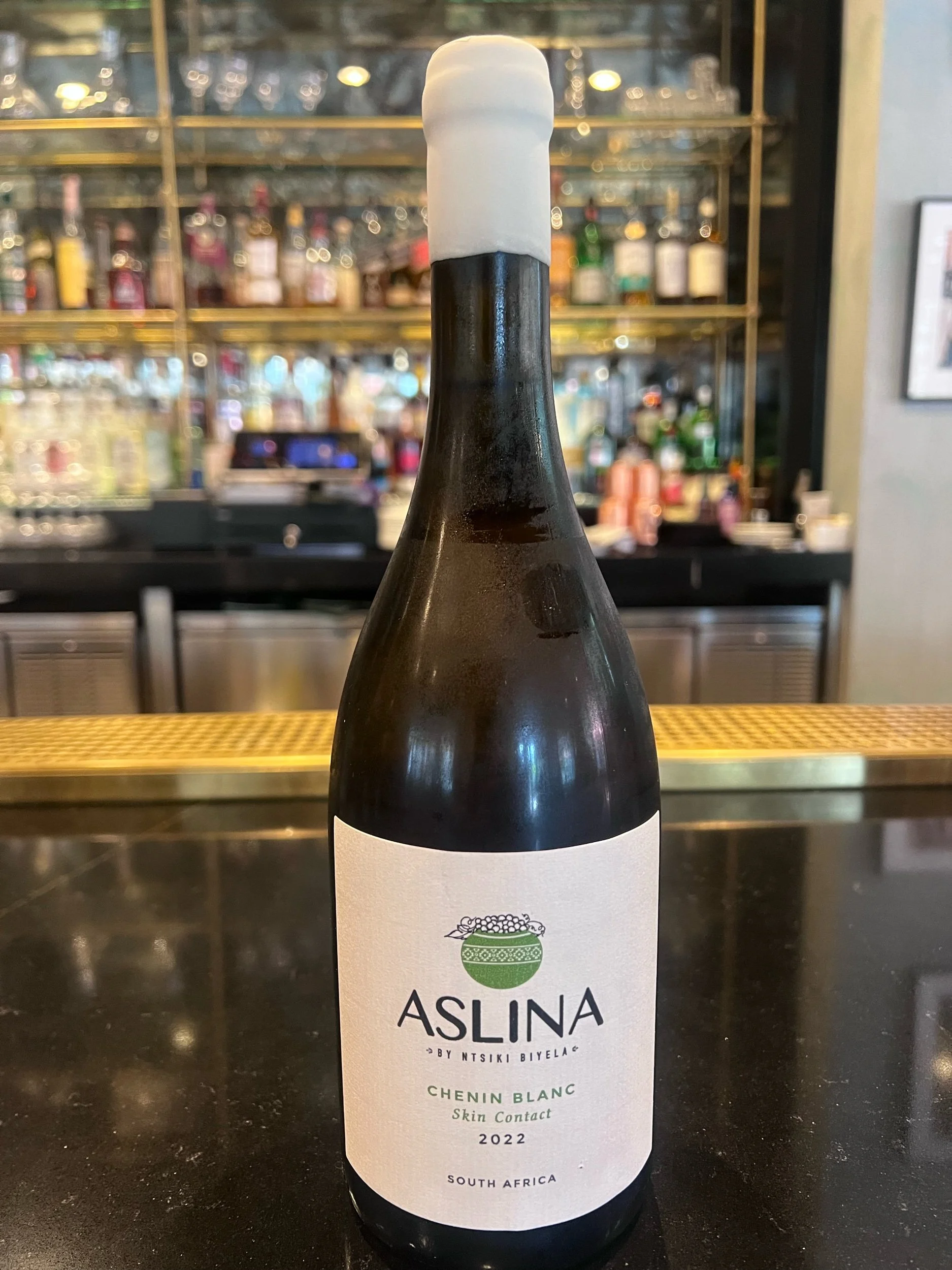
Aslina 'Skin Contact' Chenin Blanc, Stellenbosch, South Africa 2022
A remarkable skin-contact Chenin Blanc from South Africa's first Black female winemaker Ntsiki Biyela. Partial skin contact for 8 days; medium bodied and dry, complex and nutty with layers of orange rind, ripe pear, tea, and flowers, with balanced acid, soft edges, and a full finish. Slight tannic grip but refreshing! The Aslina Sauvignon Blanc and Chardonnay are worth checking out too!
Passopisciaro 'Passorosso' Etna Rosso, Sicily 2019
If you love Pinot Noir, give this Etna Rosso a try. A blend of ancient grapes of Nerello Mascalese from different vineyards located at different altitudes on the northern side of Etna. Minerality comes from the volcanic soils typical of this region. A staff favorite! If you can’t find this one, the Benanti is a good alternative.
Burn Cottage 'Moonlight Race' Central Otago, New Zealand 2021
Discover Ted Lemon’s biodynamic project in Pisa-Central Otago (South Island) New Zealand. Made from a combination of the two sites that produces a vibrant expression of classic Central Otago Pinot Noir. Wonderful savory and herb tones are supported by spice, red fruit, pepper and mineral complexity. Only about 350 cases were imported for the US market.
Ridge Petite Sirah, Lytton Springs, Dry Creek Valley 2020
The first Ridge Petite Sirah was released in 1971. The varietal offers deep color, firm tannins and peppery spice. We love it with barbecue ribs, Peking duck and hoisin pork buns. Serve it slightly chilled around 55 degrees to highlight the fruit and tame the alcohol.
Bodegas Garzon 'Single Vineyard' Tannat, Uruguay 2018
The property is owned by Argentine businessman Alejandro Bulgheroi who planted a jaw-dropped 240-hectare wine estate on grantitic hillsides near the scenic resort towns of Punta del Este, La Barra and Jose Ignacio. Not a penny was spared in this state-of-the-art winery in an effort to make it the first LEED certified winery outside of North America. Deep purple in color, this Tannat brings forth aromas of red and black fruits and savory spices.
Viña Cobos 'Bramare' Cabernet Sauvignon, Lujan de Cuyo, Argentina 2018
Paul Hobbs, founding partner and winemaker at Viña Cobos, has worked since 1988 in the exploration of the different terroirs of Mendoza. Dark purple in color with aromas of blackberry, cedar, mocha and black currants. We love this as an alternative to pricey Napa Cabs but if you can’t find the Cabernet, their Malbec is pretty fantastic as well.
*Merchant links were sourced via a Google search. We have no affiliation with any of the merchants and do not receive any compensation.

make our cucumber coupe
How to make our refreshing Cucumber Coupe cocktail at home.

When it comes to refreshing hot weather drinks, a cucumber cocktail is hard to beat and for this reason, the Cucumber Coupe is one of our most popular summer drinks. This delightful cocktail combines cucumber-flavored vodka and floral scented elderflower liqueur to make a crisp and hydrating summer sipper. Grab your cocktail shaker and give this recipe a try!

INGREDIENTS
2 oz Effen Cucumber Vodka
3/4 oz St. Germaine (or comparable elderflower liqueur)
1/2 oz fresh squeezed lemon juice
1/2 oz simple syrup
cucumber slices for garnish
Fill cocktail shaker with ice, add all the ingredients (except the cucumber slice). Give it a hard shake and strain into a cocktail coupe or martini glass. Garnish with cucumber wheel. Enjoy!

take a chill pill
Explore the exciting world of chilled red wines…
Chilled Red Wines: a Refreshing Twist on Tradition.
When it comes to wine, the traditional notion is to serve red wines at room temperature while the ice bucket is reserved strictly for whites, rose and Champagne. We recommend a delightful twist on this convention by serving certain reds slightly chilled (around 40-55°F). Cooler temperatures can highlight the fruitiness and bright acidity of red wines, making them taste more vibrant. This is particularly appealing during warm weather when we want something refreshing and thirst-quenching. Chilled reds also open up exciting food pairing possibilities. They're a great match for grilled chicken, seafood, charcuterie, and even spicy dishes. At Alpana, we have a designated section on our wine list labeled “Chilled Reds” but below are some tips on exploring the world of chilled reds at home. Cheers!
Tips for Serving Chilled Red Wines
- Refrigerate the wine for about 30 minutes before serving.
- Aim for a temperature around 40-55°F. The lighter the tannins, the colder the wine can be served.
- Avoid over-chilling, as it can mute flavors.
- Use a wine cooler or an ice bucket to maintain the ideal temperature.




Selecting the Right Reds
Not all red wines are suited for chilling. Lighter reds with moderate tannins and higher acidity tend to work best. Red wines that are heavier in tannins such as Cabernet Sauvignon or Malbec can taste too bitter or astringent if served too cold. Some excellent choices include Pinot Noir, Beaujolais, Grenache, and certain styles of Cabernet Franc. Here are a few suggestions from our wine list:
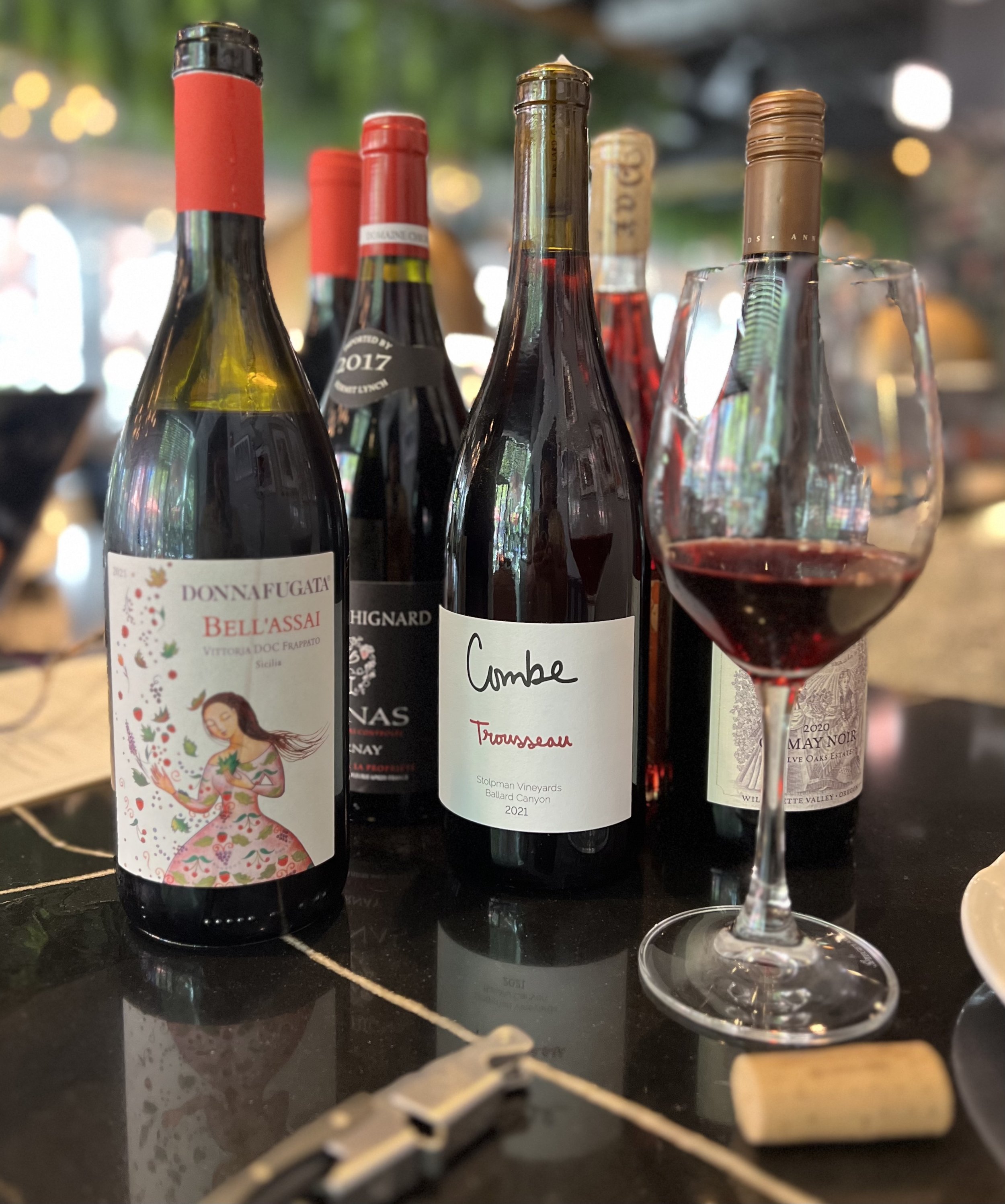
Donnafugata Bell’Assai Frappato, Sicily
Frappato is a charming red grape native to the sun-soaked island of Sicily. It produces light-bodied and lively wines with notes of strawberries and cherries. The name "Bell'Assai" is a play on words in Sicilian dialect, meaning "very nice" or "beautiful enough." It reflects the winery's intention to create an enjoyable and charming wine. We are currently offering this selection by the glass at Alpana.
Stolpman Vineyards Combe Trousseau, Ballard Canyon, California
Originating in the Jura region of France, Trousseau produces wines that are light in color but packed with personality. Combe is another exciting collaboration between winemaker Peter Stolpman and famed Sommelier Rajat Parr who recognized the viability of planting Trousseau in the wind tunnel exposed Ballard Canyon. Bursting with notes of lavender tinged cherries, bright acidity and a long-lasting earthy finish.
Pax Mahle Mission Grape 'Somers Vineyard' Lodi, California 2021
These Mission grapes (the variety is also called Paíz) were planted in the early 1900s. According to Pax, many of the vine trunks are over six feet tall. This 120 year-old site is dry-farmed, and organically. Savory and spicy on the nose this light red adds copious floral and fruity notes on the palate that mix with hints of pepper and umami to make for a deliciously quaffable red that has just enough crunchy tannin to keep everything in check.
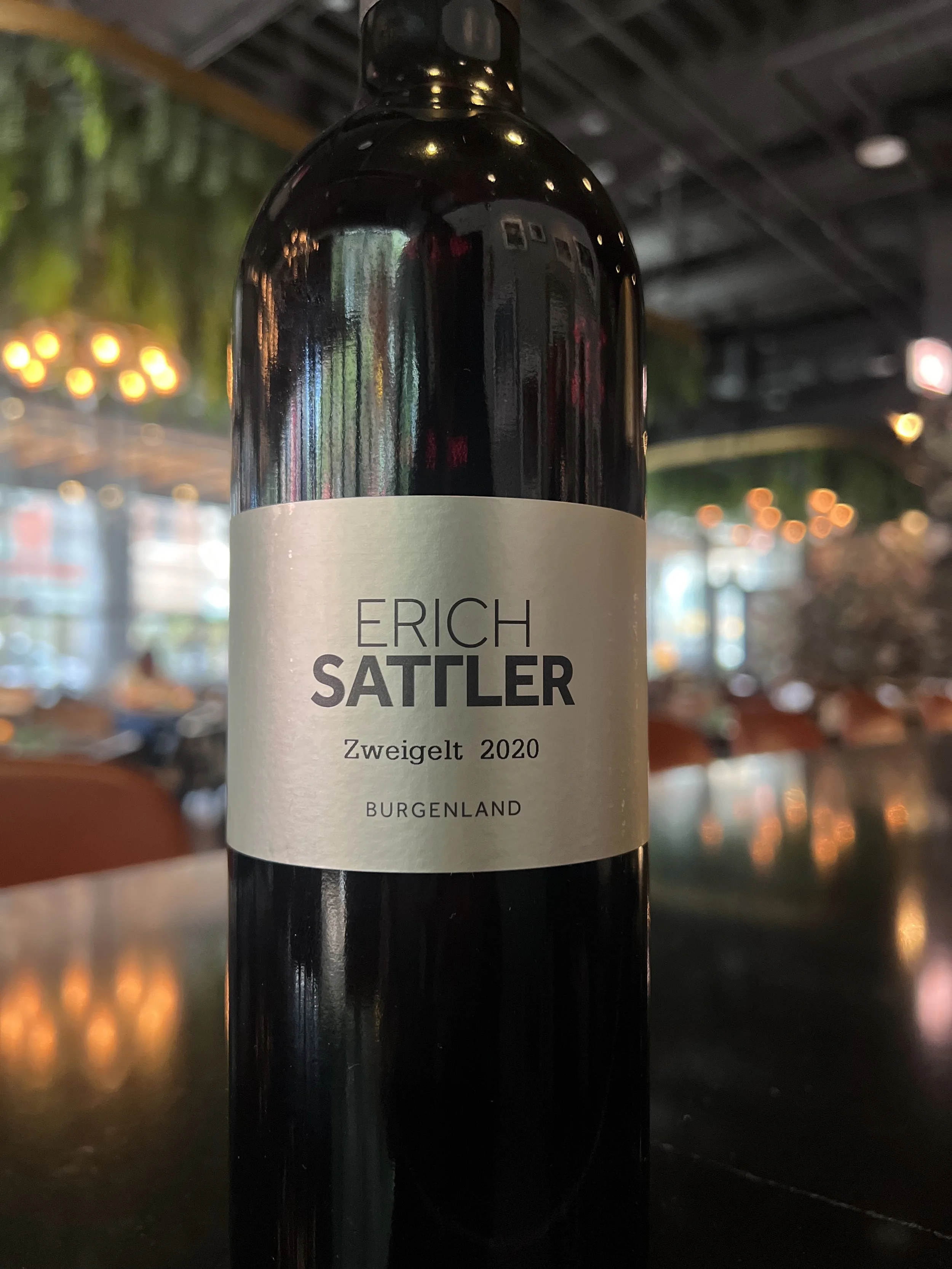
Erich Sattler Zweigelt, Burgenland, Austria 2020
Austria’s most popular red variety, the Zweigelt grape can make a charmingly fruity, snappy and spicy wine ideal for summer sipping. While native to Austria, Zweigelt is actually a fairly recent cross bred by Dr. Zweigelt in 1922. He crossed two native varieties, Blaufränkisch, for its peppery bite, with St. Laurent, chosen for its elegance.
Time Place Wine Company Cinsault 'Bechthold Vineyard' Lodi, California 2020
Jamey Whetstone began his winemaking education at Turley Wine Cellars where he would remain in his apprenticeship until 2005. The Bechthold Vineyard was planted in 1886 and is believed to be the oldest of its kind in the country—perhaps even beyond. The vines are gnarly, head-trained and planted on their own roots. The wine is light-bodied, tart, perfumed, and extremely well balanced with an expressive nose of rhubarb, wild strawberry, orange peel, and dark cherry. The essence of summer!

Heirloom tomato salad
Elevate your summer meals with this delightful heirloom tomato salad featuring a white balsamic pesto vinaigrette.


Featuring a white pesto balsamic vinaigrette…
It’s officially heirloom tomato season and we couldn’t pass up the opportunity to celebrate this glorious summer staple by featuring it on our latest dinner menu at Alpana. While the tomatoes are sweet and juicy on their own, I created this super-easy white balsamic vinaigrette to give a pop of acid and to make the dish a little more wine friendly. White balsamic is milder than its red counterpart which I find tends to overpower the flavor of many wines. If you can’t find white balsamic, apple cider vinegar makes a fine substitute. This recipe does call for pesto but if you have a nut allergy or don’t want to bother with buying extra ingredients, just add some minced fresh basil and it will be just as tasty. Lastly, we serve this at the restaurant with creamy burrata, a sprinkle of fresh basil and rustic sourdough bread to soak up all the tomato juices. A pro-tip would be to rub the bread with some garlic to add an extra layer of flavor. And if you’re looking for the perfect wine pairing, try something fresh and zippy like Albarino, Sauvignon Blanc, Gruner Veltliner or even a Provencale Rose.
WHITE BALSAMIC PESTO VINAIGRETTE
1/2 cup white balsamic
1/2 cup good olive oil
1 shallot finely minced
1 tablespoon honey
1 teaspoon dijon mustard
2 teaspoon pesto (store bought is fine)
1 teaspoon dried oregano
1/8 teaspoon kosher salt
In a medium size bowl, whisk together the white balsamic, honey and dijon mustard. Slowly drizzle in the olive oil until well emulsified. Add remaining ingredients and whisk together. Adjust seasoning as desired. Vinaigrette will keep for up to one week refrigerated and can also be used as a dressing for other salads or try it on oven roasted vegetables and potatoes. Makes about 1 cup vinaigrette.
ADDITIONAL INGREDIENTS
variety of heirloom tomatoes
kosher or flaky sea salt
fresh basil
burrata, feta or fresh mozzarella cheese
rustic bread brushed with olive oil and toasted
ASSEMBLY
Select a variety of heirloom tomatoes in different colors and sizes. This not only adds visual appeal but also enhances the range of flavors in your salad. Core the tomatoes and slice them into thick, juicy rounds. Arrange the tomatoes on a serving platter, slightly overlapping each other for artistic presentation. Add burrata, mozzarella or feta (if using). Sprinkle with flaky sea salt or kosher salt. Drizzle the entire plate with the vinaigrette and enjoy!